
Standing on the summit of Mount Kilimanjaro, with the vast African landscape stretching towards the horizon and the first light of sunrise illuminating the glaciers, is a moment many travellers dream of experiencing. Reaching Uhuru Peak, the highest point in Africa at 5,895 metres above sea level, is more than a mountain adventure. It is a journey of determination, patience, and personal achievement, one that begins long before you take your first step on the trail. Among the most important decisions you will make when planning your climb is choosing the right time of year. Kilimanjaro can be climbed throughout the year, but weather conditions, trail quality, visibility, and the number of other climbers vary considerably between seasons. Choosing your dates carefully can help you enjoy the mountain more comfortably and prepare for the challenges ahead. At Back to Eden Adventure, we help travellers plan their Kilimanjaro expeditions with careful attention to timing, route selection, acclimatisation, and the experience they hope to have on Africa’s legendary Roof.

When Is the Best Time to Climb Mount Kilimanjaro?
The best time to climb Mount Kilimanjaro is generally during the drier months, particularly January to early March and June to October. These periods usually offer more favourable trekking conditions, better visibility, and less persistent rainfall than the main rainy seasons. The January-to-early-March window often brings relatively warm conditions on the lower slopes, while June to October is the longer and more popular climbing season, with July and August attracting many trekkers. September and October can be appealing to climbers seeking generally dry conditions outside the busiest part of the mid-year season.
However, there is no single perfect month for everyone. Some climbers prioritise clear views and firmer trails, while others prefer quieter camps and a more peaceful atmosphere on the mountain. Your available travel dates, preferred route, tolerance for cold, and willingness to experience changing weather should all influence your decision. Even during the dry seasons, rain can fall in the forest, clouds can obscure the summit, and temperatures near Uhuru Peak can drop well below freezing. The goal is not to find a month when the mountain presents no challenges, but to choose a period that suits your priorities and prepare properly for the conditions you may encounter.
The Two Main Climbing Seasons on Kilimanjaro
January to Early March: A Beautiful Window for Clear Views
The beginning of the year is one of the most attractive periods for climbing Kilimanjaro. January and February are generally part of the short dry season, bringing favourable trekking conditions and opportunities to enjoy expansive mountain views, particularly during clear mornings. The lower slopes can feel relatively warm, while the higher elevations remain cold and demanding. The scenery is often beautiful, with green landscapes in the lower zones and dramatic contrasts as the trail climbs towards the alpine desert and summit glaciers.
This period can be especially appealing to travellers who want to combine their climb with a safari or a relaxing stay on Zanzibar. After descending from the mountain, you could explore the wildlife-rich plains of Tanzania or spend a few days enjoying the Indian Ocean coast. March is more unpredictable because the long rains can begin during the month, with conditions often becoming wetter as the weeks progress. If you are considering a March departure, it is worth discussing your exact dates with your climbing operator rather than assuming the entire month offers the same conditions.

June to October: The Main Dry Season
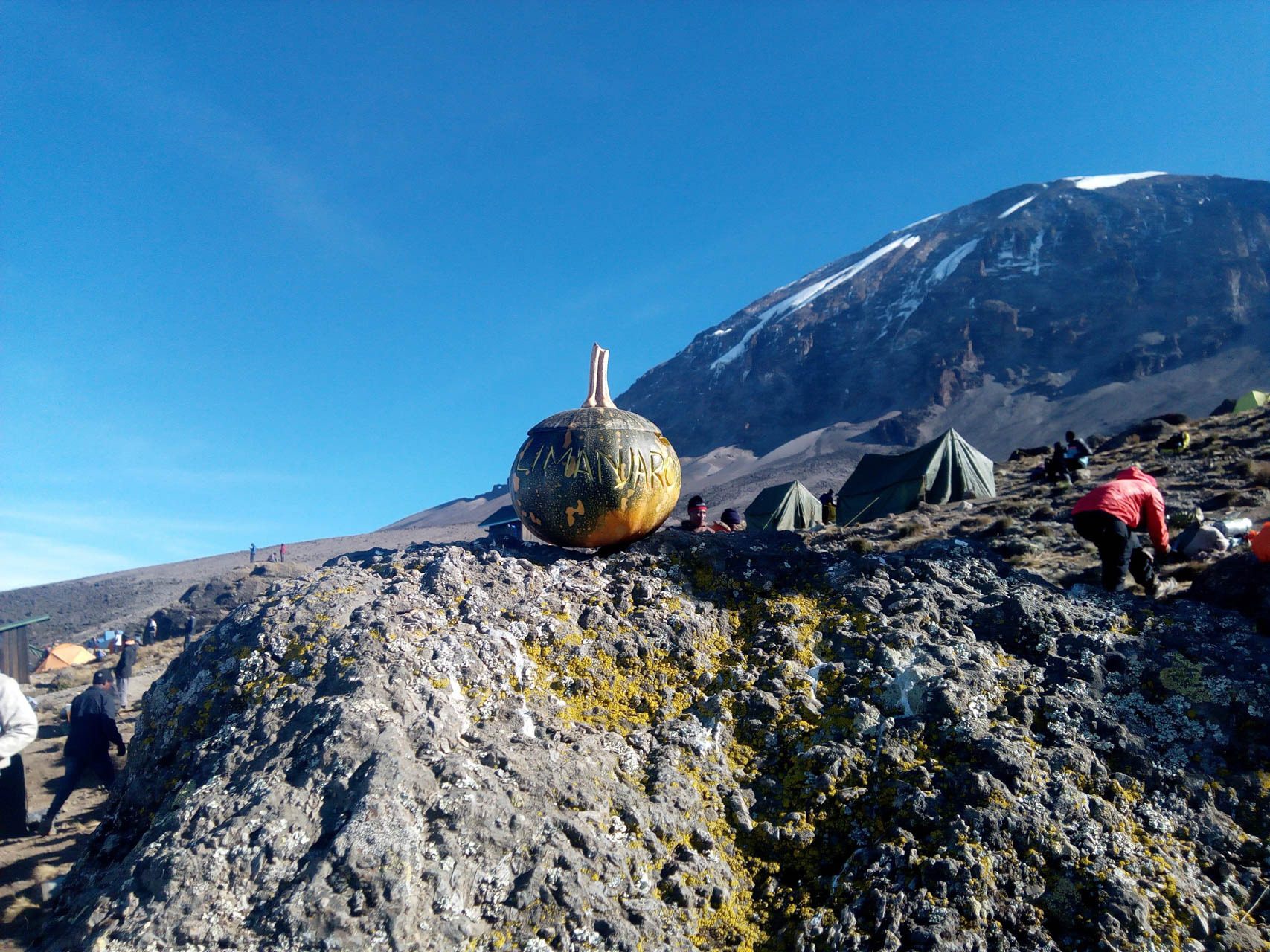
June through October is generally considered the main climbing season on Kilimanjaro. As the long rains subside, trails tend to become drier, and many days offer favourable conditions for trekking. Clear mornings can reveal spectacular views across the mountain’s forested slopes and surrounding plains, while the higher elevations present a dramatic landscape of rock, ice, and open alpine terrain. This is a popular time for climbers who want to maximise their chances of experiencing favourable weather, although conditions can never be guaranteed.
July and August are particularly busy, with more climbers sharing popular routes and campsites. September often offers an appealing balance of generally dry weather and a gradual easing of peak-season crowds, while October can also provide excellent climbing conditions, although weather patterns may begin to change towards the end of the month. Temperatures can be cold, especially during the summit attempt, so proper clothing and equipment remain essential even when the weather appears clear. If you plan to climb during the busiest weeks, booking well in advance is wise, particularly if you have a preferred route or specific departure date.

Mount Kilimanjaro Month by Month
Every month offers a slightly different experience on Kilimanjaro. The following guide explains the typical seasonal patterns to help you decide when to begin your adventure. Mountain weather is unpredictable, however, and conditions can vary from one route, altitude, and day to another.
January: A Promising Start to the Year
January is generally a favourable month for climbing Kilimanjaro, with relatively dry conditions and good opportunities for clear views. The lower slopes can be warm during the day, while nights become progressively colder as you gain altitude. It is an attractive choice for travellers beginning the year with a personal challenge or combining their climb with a Tanzanian safari. Because it is a popular travel period, arranging your climb early can help secure your preferred dates and accommodation before and after the expedition.
February: Warm Days and Excellent Trekking Potential
February is often one of the most appealing months for a Kilimanjaro climb. Conditions are generally favourable, and the mountain can offer beautiful visibility during clear periods. The lower forest zone may feel warm and humid, while the higher camps and summit remain cold. February can suit climbers who want to experience the mountain during the short dry season, but preparation is still essential because weather can change rapidly. Good equipment, a suitable itinerary, and sufficient time to acclimatise remain more important than relying on the month alone.
March: Changing Conditions
March is a transition month, and the weather can become increasingly unpredictable as the long rainy season approaches. Early March may still offer suitable climbing conditions, but rainfall and cloud become more likely as the month progresses. Trails through the forest can become muddy, and visibility may be reduced during wet periods. Climbers considering March should pay particular attention to their departure dates and seek advice on current conditions. If your schedule is flexible, choosing a more established dry-season window may provide a more comfortable trekking experience.
April: The Long Rains
April is usually among the wettest months on Kilimanjaro. Persistent rain can make lower trails slippery and muddy, while clouds may obscure views of the mountain and surrounding landscapes. Higher elevations can experience snow and icy conditions, adding further challenges to an already demanding climb. Although expeditions may still operate, this period is generally less suitable for travellers who want more predictable weather and comfortable trail conditions. A climb during April requires realistic expectations, appropriate waterproof equipment, and careful guidance from an experienced operator.
May: Wet Conditions and Quiet Trails
May generally remains part of the long rainy season, with wet conditions continuing on many sections of the mountain. The forest can be lush and atmospheric, but persistent rain may make trekking more uncomfortable and reduce visibility. There may be fewer climbers than during the main dry season, which can appeal to those who value quieter trails, but fewer people on the mountain does not make the climb easier or safer. If you choose to travel during May, preparation and professional guidance are particularly important. For most travellers seeking more favourable trekking conditions, waiting until the drier months is worth considering.
June: The Mountain Begins to Dry
June marks the beginning of the main dry climbing season, although conditions can vary, particularly early in the month. As rainfall decreases, trails generally become more favourable, and clearer days become increasingly common. Temperatures can be cool, especially at higher camps, but the changing conditions make June an attractive option for travellers who want to climb before the busiest weeks of July and August. It is a wonderful time to experience the transition from the lush lower forest to the mountain’s stark, dramatic upper landscapes.

July: Clear Skies and Peak-Season Energy
July is a popular month for climbing Kilimanjaro because it generally brings drier conditions and good opportunities for expansive views. The mountain often feels crisp and clear, but summit nights can be extremely cold, and wind can make the final ascent demanding. Camps and popular routes may be busy, so early planning is advisable. For many climbers, July offers the excitement of joining an international community of trekkers pursuing the same extraordinary goal. The key is to prepare for the cold, allow sufficient time for acclimatisation, and approach each stage of the climb patiently.
August: Popular, Dry, and Cold at Altitude
August is another busy climbing month, particularly on popular routes such as Machame and Lemosho. The generally dry conditions can create favourable trekking opportunities, but the mountain remains physically demanding, and summit temperatures can fall well below freezing. Crowded camps and limited availability at preferred departure dates are possible during this period, making advance planning important. August can be an excellent choice for climbers with fixed holiday schedules who want to experience Kilimanjaro during the main dry season, provided they prepare for the weather and the demands of high altitude.
September: An Excellent Balance for Many Climbers
September is often an appealing choice for those seeking a balance between favourable weather and the intensity of the busiest climbing weeks. Conditions are generally dry, visibility can be excellent, and the trails offer beautiful views across the mountain’s changing ecological zones. Crowds may begin to ease compared with the height of the July and August season, although popular routes can still be busy. For travellers with flexibility, September deserves serious consideration. It offers a strong combination of trekking conditions and opportunities to enjoy the mountain without necessarily travelling during the busiest period.
October: Dry-Season Opportunities Before the Rains Return
October often continues to provide favourable climbing conditions, especially during its earlier weeks. The mountain can offer clear views and generally dry trails, while the number of climbers may be more manageable than during peak holiday periods. Towards the end of the month, however, the possibility of short rains begins to increase, and conditions can become less predictable. October is a good option for travellers who want to climb towards the end of the main dry season, but flexible expectations and proper preparation remain important.
November: The Short Rains
November is associated with the short rainy season, which often brings intermittent showers and cloud to parts of Kilimanjaro. Conditions can vary considerably, and some days may still provide excellent trekking weather. However, rain can make trails wet and reduce visibility, particularly in the forest zone. There are often fewer climbers than during the busiest dry-season months, which may appeal to travellers seeking a quieter experience. If you are considering November, ask your operator about the route and current seasonal conditions, and be prepared for rain rather than assuming every day will be wet or dry.
December: A Festive Climb on Africa’s Highest Mountain
December offers a mixture of conditions as the short rains begin to ease and the drier period approaches towards the end of the month. Early December can be more unpredictable, while the Christmas and New Year period is popular with travellers planning a holiday around the climb. Depending on the timing, you may experience clear days, occasional showers, and cold conditions at higher elevations. If you want to climb over the festive season, booking early is especially important because demand for guides, accommodation, and departure dates can be high. With the right preparation, December can provide a memorable way to end the year with an extraordinary personal achievement.
Which Month Is Best for Your Kilimanjaro Climb?
The ideal month depends on what matters most to you. If you prioritise generally dry weather and favourable trekking conditions, January, February, and the period from June to October are usually the strongest choices. If you prefer to avoid the busiest weeks, consider the edges of these windows, such as February, June, September, or early October, while remembering that crowd levels vary by route and departure date. If your travel schedule only allows a rainy-season climb, you should understand the additional challenges and seek experienced guidance before committing to your itinerary.
Your choice should also consider the experience you want beyond the summit. Some travellers plan a climb as a standalone adventure, while others combine it with a wildlife safari in the Serengeti, Tarangire, or Ngorongoro, followed by time on Zanzibar. If you want to include all three experiences, allow enough time for transfers, rest, and recovery after the mountain. A carefully planned journey can turn your climb into a broader exploration of Tanzania without making every day feel rushed.
Does the Route Affect the Best Time to Climb Kilimanjaro?
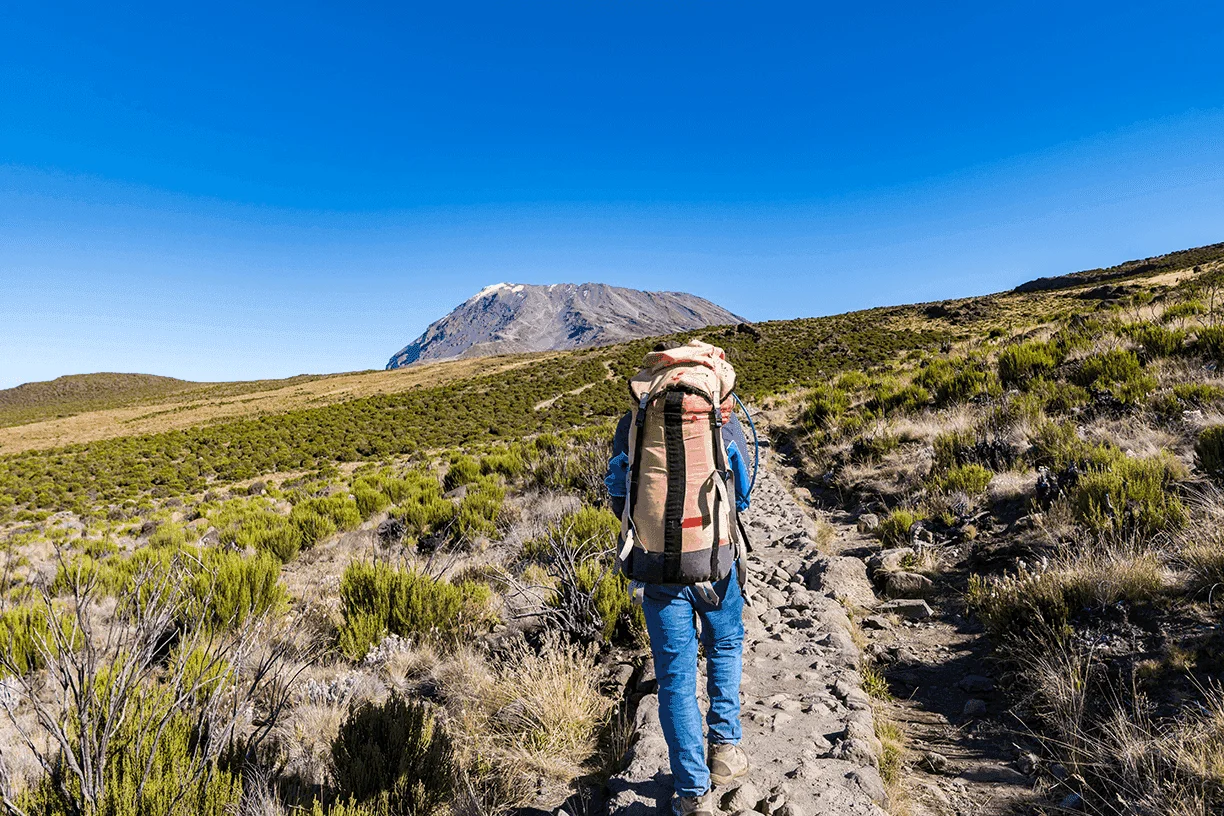
Yes. Although the two main dry seasons are generally favourable across the mountain, your route can influence the character of the experience. Each Kilimanjaro route passes through different landscapes and has its own camping arrangements, duration, and acclimatisation profile. The best choice is not simply the route with the most famous name, but the one that suits your fitness, experience, schedule, and preferred style of trekking.
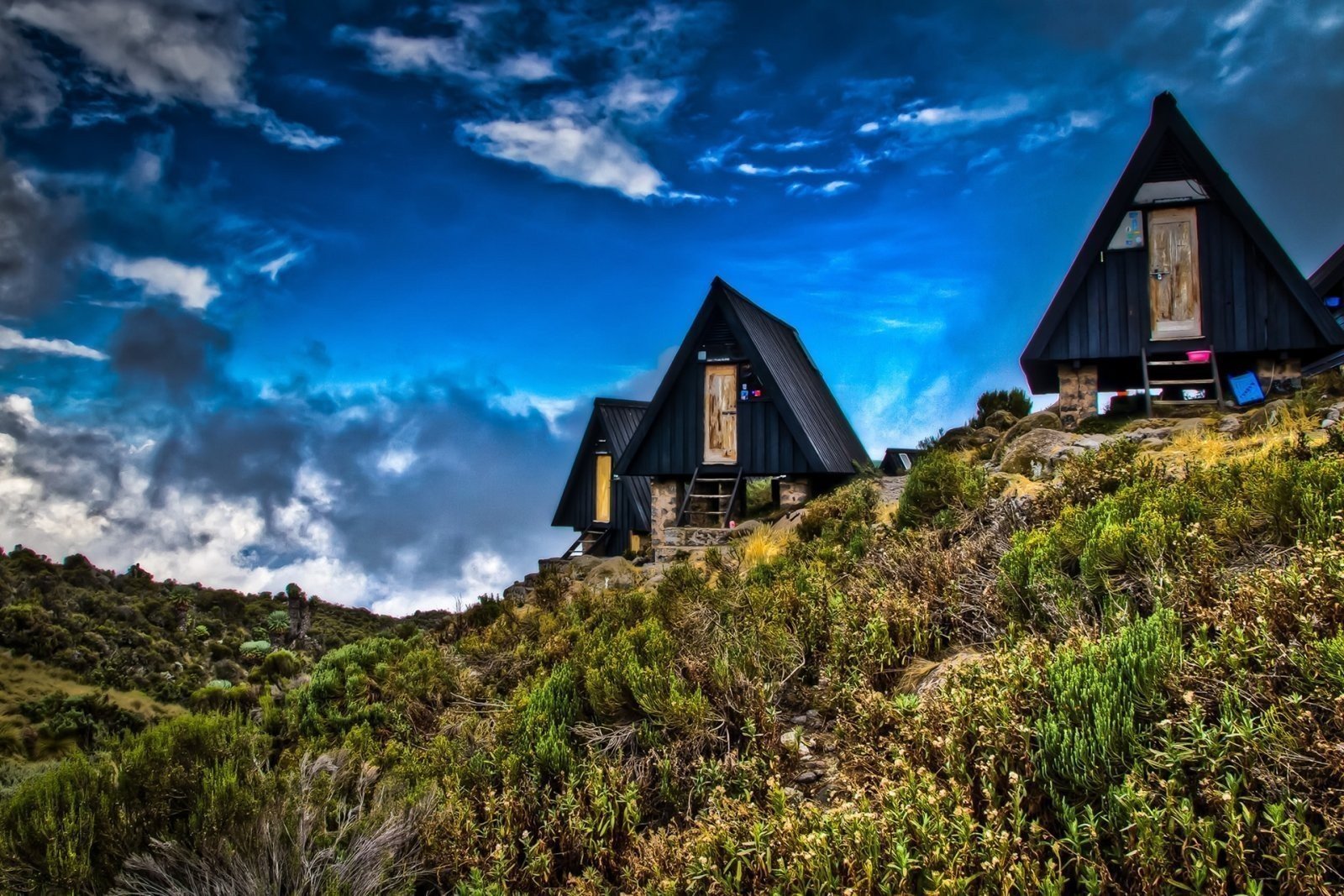
The Lemosho Route is known for its scenic approach and gradual introduction to the mountain, while the Machame Route offers varied landscapes and a rewarding trekking experience over several days. The Marangu Route is distinctive because it uses mountain huts rather than tented camps, while the Rongai Route approaches the mountain from the north and can offer a different perspective on the landscape. The Northern Circuit takes a longer route around the mountain, providing additional time for acclimatisation, while the Umbwe Route is steeper and more demanding and is generally better suited to experienced trekkers.
Seasonal conditions should be considered alongside route choice, but one factor deserves particular attention: acclimatisation. A longer itinerary that allows your body more time to adjust to altitude can be more beneficial than choosing a month based on weather alone. Kilimanjaro is a high-altitude mountain, and no route or season can remove the risk of altitude-related illness. Your climbing plan should prioritise a sensible ascent profile, experienced guides, and appropriate monitoring throughout the expedition.
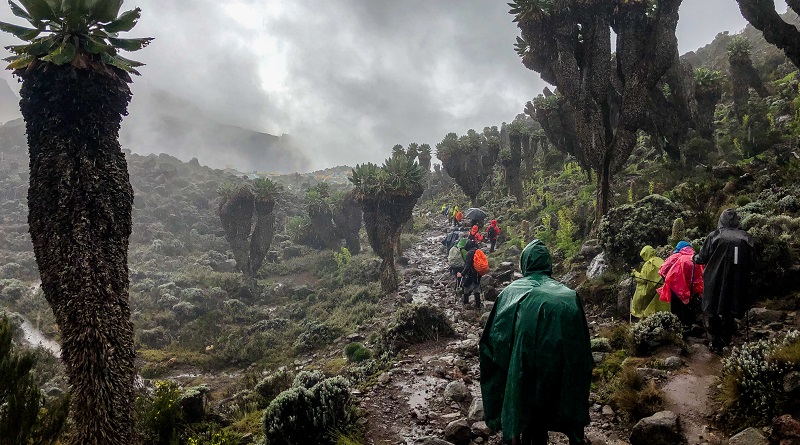
Is It Possible to Climb Kilimanjaro During the Rainy Season?
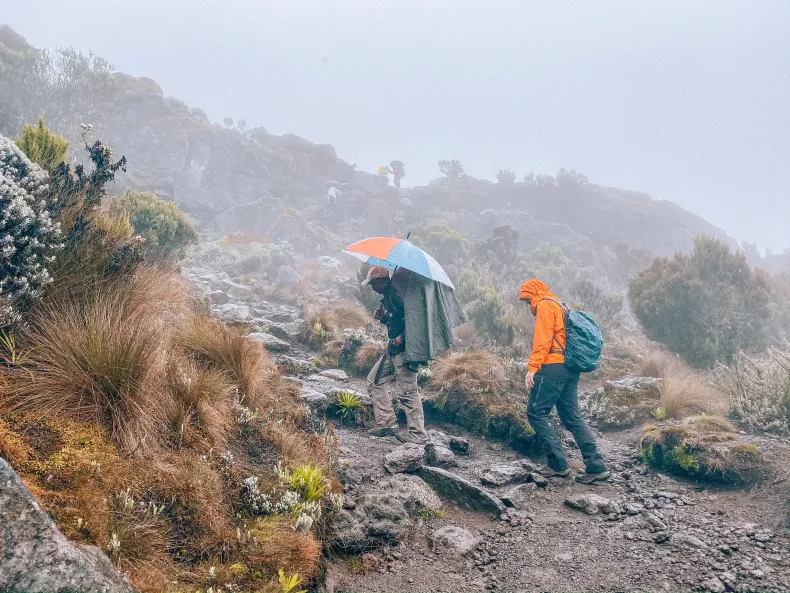
Climbing Kilimanjaro during the rainy season is possible, but it generally involves more uncertainty and can be less comfortable. Rain may make trails slippery, dampen clothing and equipment, and reduce views across the mountain. At higher elevations, cold temperatures and changing weather can add to the physical challenge. These conditions do not automatically make every rainy-season climb unsuccessful, but they require preparation and realistic expectations.
If you must travel during the wetter months, speak with your climbing operator about the route, equipment, itinerary, and current conditions. Waterproof outer layers, suitable footwear, warm clothing, and dry bags become especially important. It is also essential to follow your guide’s advice if weather or trail conditions make a particular section unsafe. The mountain will always demand respect, and reaching the summit should never take priority over your safety.
For many first-time climbers, the drier seasons offer a more comfortable starting point. However, the right decision depends on your circumstances, experience, and flexibility. An honest conversation with an experienced local operator can help you understand the trade-offs and choose the most suitable approach.
What Matters More Than the Month You Choose?
Choosing the right season can improve your experience, but it is only one part of preparing for Kilimanjaro. The mountain rises through several ecological zones, and conditions change dramatically as you gain altitude. You may begin your climb in warm, humid forest and eventually reach a cold, exposed landscape where the air is thinner and each step requires greater effort. Even physically fit travellers can find altitude challenging, which is why a sensible itinerary and a gradual ascent are so important.
Whenever possible, choose an itinerary that gives you adequate time to acclimatise rather than selecting the shortest climb simply to save time or money. Follow your guides’ instructions, maintain a comfortable pace, stay hydrated, and communicate any symptoms of altitude illness promptly. Your operator should provide clear guidance about preparation, equipment, daily expectations, and safety procedures. No particular month can guarantee a summit, and a responsible climbing team will always place your wellbeing above reaching the top.
Physical preparation also helps you enjoy the journey. Regular walking, hill training, stair climbing, and endurance exercise can improve your readiness for consecutive days on the trail. You do not need to be an elite athlete to attempt Kilimanjaro, but you should arrive prepared for sustained walking, changing terrain, and cold conditions. With suitable preparation, a well-planned route, and experienced support, you can focus more fully on the extraordinary landscapes and the personal significance of the climb.

Plan Your Kilimanjaro Adventure with Back to Eden Adventure
Climbing Mount Kilimanjaro is an achievement that begins with a dream but becomes possible through careful preparation and the right support. Whether you imagine walking through the green rainforest, crossing the open alpine desert, or standing at Uhuru Peak as the sun rises over Africa, choosing the right time and route can help you approach the adventure with confidence. The best climbing plan is one that respects the mountain, allows sufficient time for acclimatisation, and reflects your personal goals rather than simply fitting the most activities into the fewest days.
At Back to Eden Adventure, we help travellers plan Kilimanjaro expeditions around their preferred travel dates, route, available time, and experience level. We can help you understand the seasonal options, prepare for the conditions you may encounter, and choose an itinerary designed to support a responsible and rewarding climb. If you would like to make your journey even more memorable, you can also combine your mountain adventure with a Tanzania wildlife safari or a relaxing escape to Zanzibar.
Your summit day may be demanding, and the journey will ask for patience, determination, and respect for the mountain. Yet every step through the changing landscapes brings you closer to an experience that is uniquely your own. When you finally stand beneath the summit sign at Uhuru Peak, you will know that the achievement is not only about reaching the highest point in Africa, but also about the effort, courage, and commitment that brought you there.
Start planning your Kilimanjaro climb with Back to Eden Adventure, and take the first step towards an unforgettable journey to the Roof of Africa.