
Climbing Mount Kilimanjaro is more than a journey towards the highest point in Africa. It is an experience shaped by early mornings, steady footsteps, breathtaking landscapes, simple mountain meals and evenings spent preparing for the next stage of the adventure. Every day brings a new environment and a different challenge, from walking beneath the rainforest canopy to crossing open alpine terrain where the air becomes thinner and the temperature drops. While the scenery changes as you climb, having a daily routine helps you stay organised, conserve energy and prepare for the journey ahead.
If you are planning to climb Kilimanjaro for the first time, you may wonder what a typical day on the mountain looks like. When do you wake up? What do you eat? How many hours do you walk? What happens when you reach camp? Although the exact schedule depends on your chosen route, weather conditions and daily destination, most organised climbs follow a similar rhythm of waking, eating, trekking, resting, acclimatising and preparing for the next day. Understanding this routine before you arrive can help you feel more confident and enjoy every stage of your adventure.
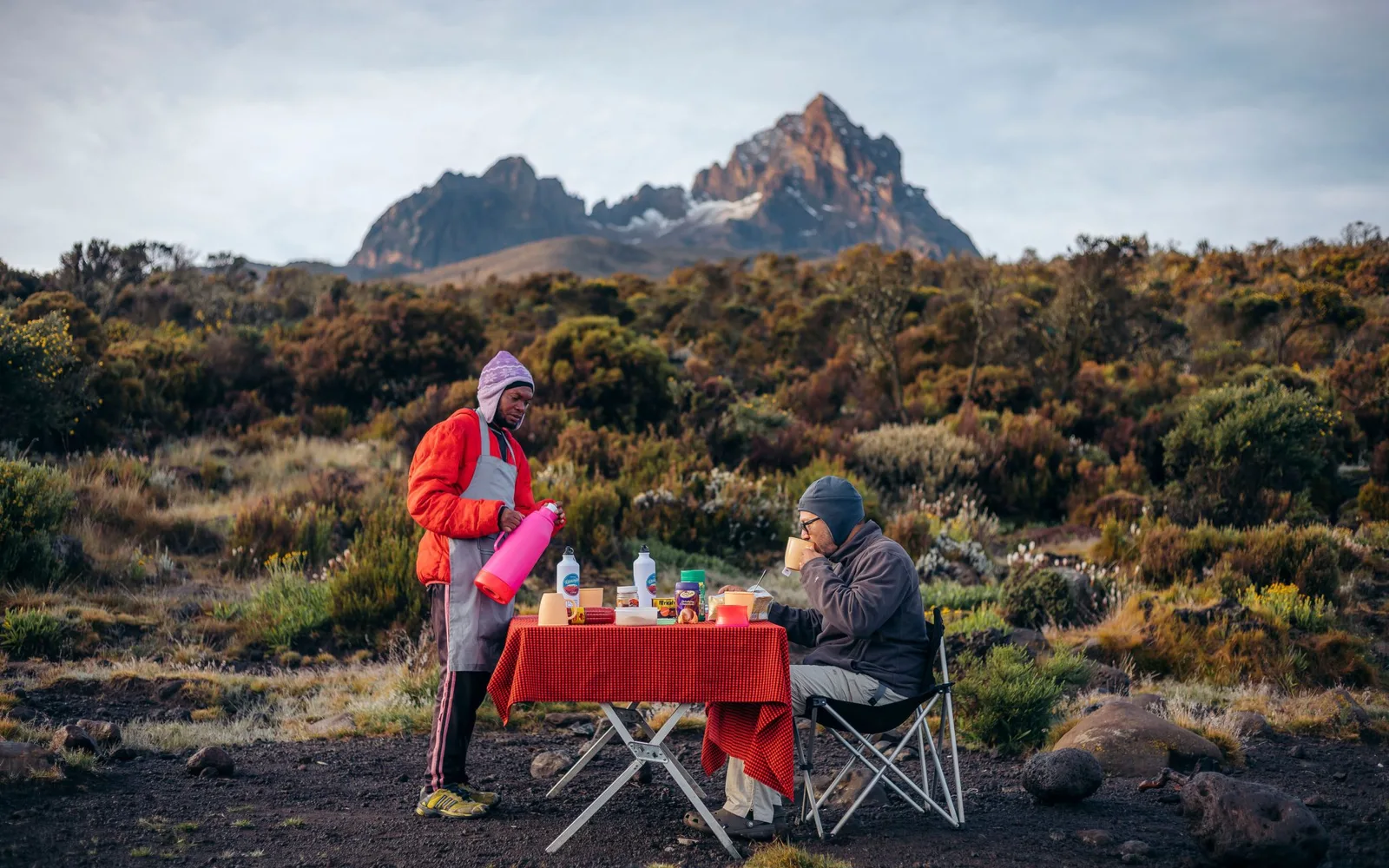

Early Morning: Wake Up and Prepare for the Day
A typical day on Kilimanjaro begins early, often around 6:00 or 6:30 AM, although the time may change depending on the route, weather and distance to the next camp. On particularly demanding days, your guide may recommend an earlier start. Summit night follows a very different schedule, with climbers usually beginning the final ascent around midnight or in the early hours of the morning.
At camp, you will have time to wake up gradually, organise your sleeping equipment and prepare your daypack. Depending on the arrangements made by your mountain crew, you may receive a warm drink and a bowl of warm water for washing. Mornings can be cold at higher elevations, so putting on appropriate layers before leaving your tent or hut helps you stay comfortable.
Before setting off, check that you have your waterproof jacket, warm layers, snacks, drinking water, sunscreen and any personal essentials you may need during the day. Your guide will usually explain the day’s plan, including the destination, expected walking time, terrain and any important safety considerations. Starting the morning calmly and being ready on time helps the entire group maintain a comfortable pace.

Breakfast: Fuel Your Body for the Trek
Breakfast is an important part of your morning routine because trekking for several hours requires energy. Mountain breakfasts commonly include porridge, eggs, bread, fruit and hot drinks, although the exact menu depends on your operator and dietary requirements.
Try to eat enough to feel comfortably fuelled before beginning the day’s walk. You do not need to force yourself to eat an unusually large meal, but heading onto the trail without eating may leave you feeling tired or hungry before lunchtime. If you normally skip breakfast, practising a simple morning meal before your climb can help you discover what works best for you.
After breakfast, make sure your water supply is ready and your daypack is organised. Your main luggage and camping equipment are generally handled according to your operator’s arrangements, allowing you to concentrate on walking with the items you need throughout the day.
Morning Trek: Walk Slowly and Enjoy the Scenery
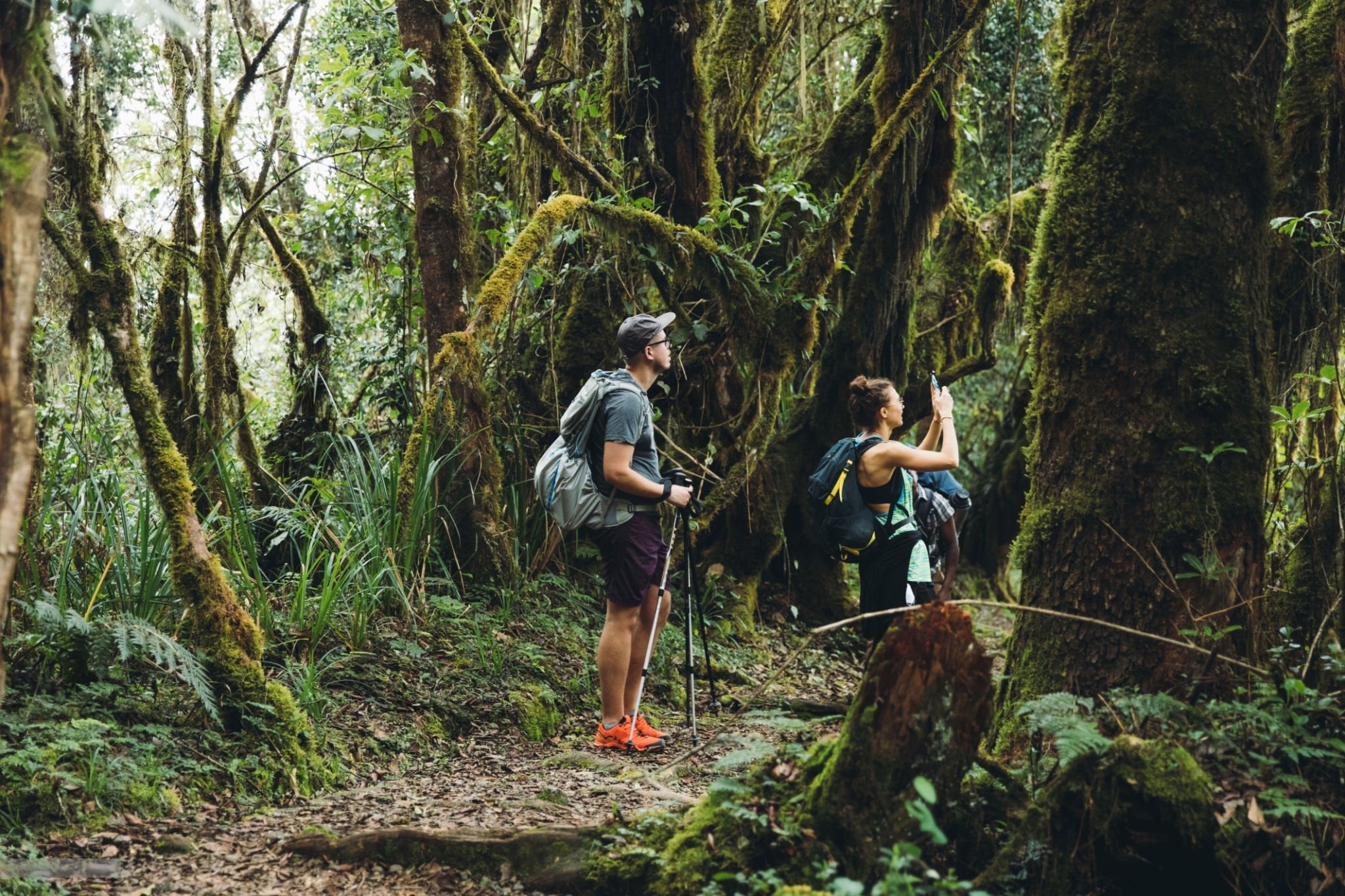
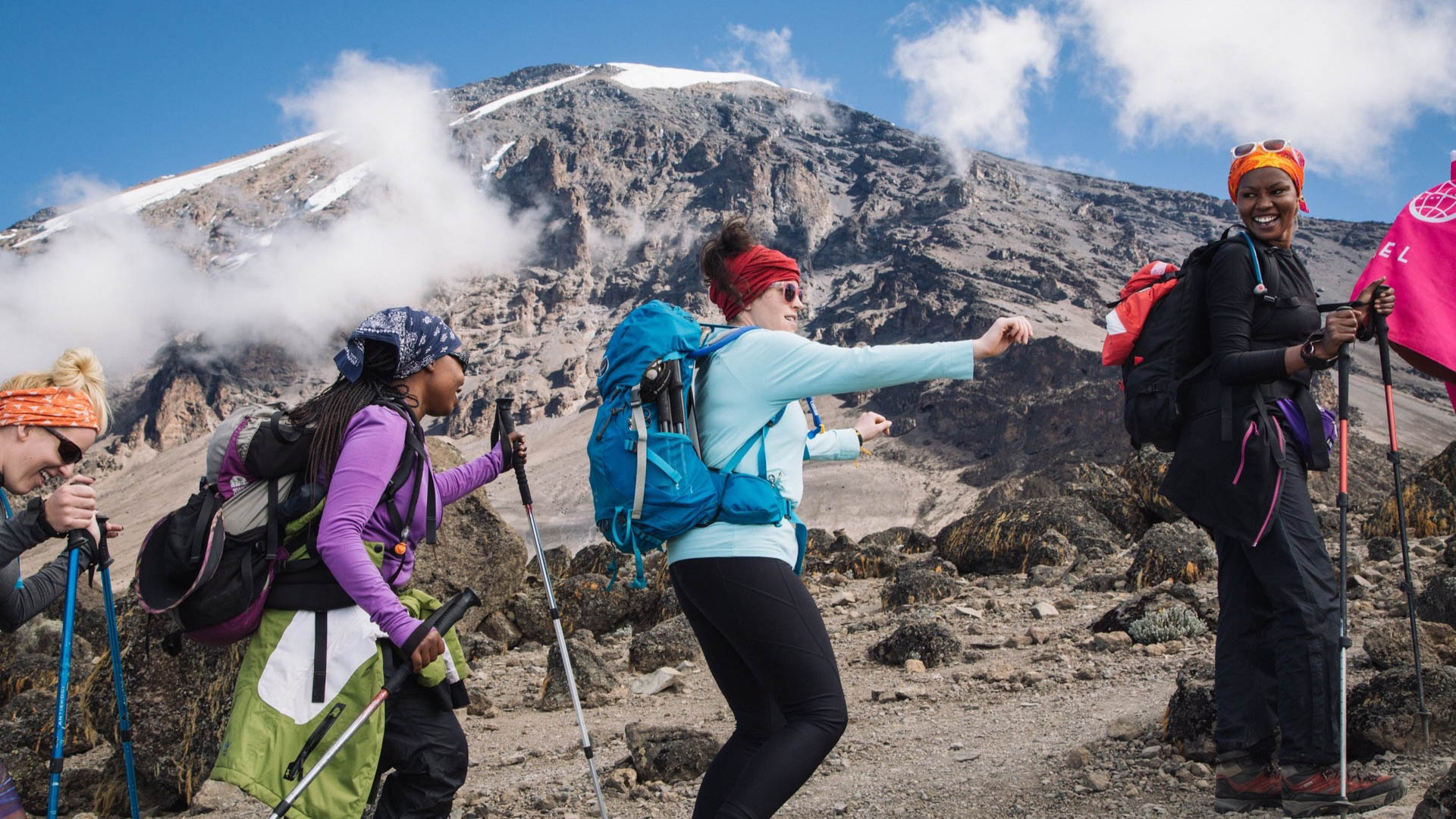
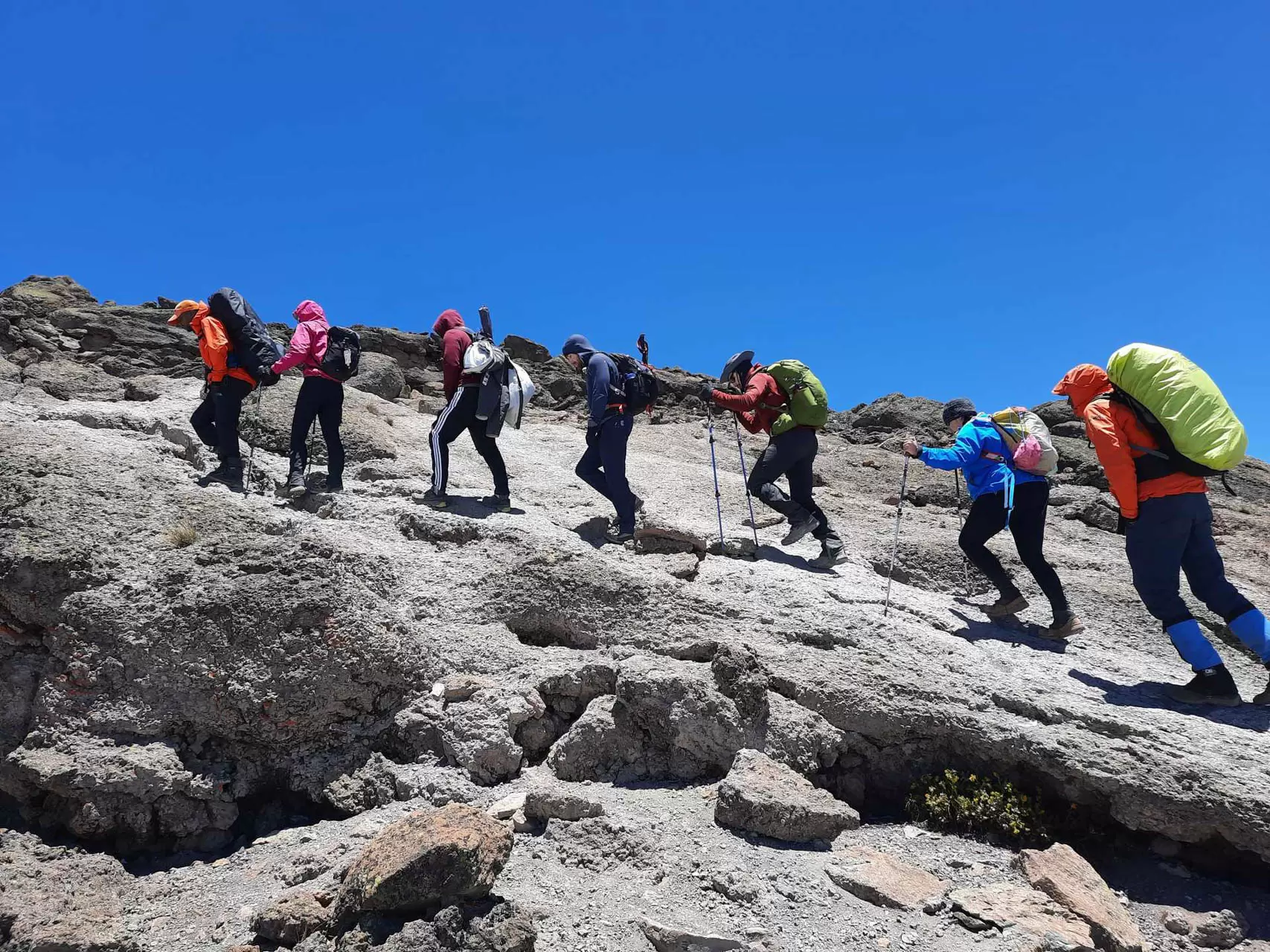
Once the group is ready, the day’s trek begins. One of the most important principles of climbing Kilimanjaro is pole pole, a Swahili expression meaning “slowly, slowly.” Your guide will encourage a controlled pace that allows you to conserve energy and gives your body time to adjust to the increasing altitude.
During the morning, you may walk through dense rainforest, open moorland, rocky paths or expansive alpine landscapes, depending on your route and the stage of the climb. The terrain changes significantly as you gain elevation, making each day visually different from the last. There will be opportunities to take photographs, appreciate the scenery and enjoy short breaks along the trail.
Your walking time can vary considerably. Some stages may take only a few hours, while others involve a longer day of trekking. The distance alone does not tell the whole story because steep ascents, uneven terrain, altitude and weather all affect how demanding a section feels.
Your guide will help determine an appropriate pace and advise when to stop for water, snacks or rest. Rather than comparing your speed with other climbers, focus on moving steadily, breathing comfortably and following the guidance of your mountain team.

Midday: Take a Break and Enjoy Lunch
Around midday, depending on the day’s itinerary, you may stop for lunch along the trail or continue towards the next camp before eating. Some operators arrange packed lunches for the journey, while others organise meals at designated stopping points or camps.
Lunch may include sandwiches, boiled eggs, potatoes, rice, vegetables, fruit or other practical foods suited to the trek. If your appetite decreases at altitude, try eating manageable portions and carrying familiar snacks that you can enjoy between meals.
This is also a good opportunity to drink water, check your clothing and adjust your layers if the weather changes. Conditions can shift quickly on Kilimanjaro, and you may move between warm sunshine, cool wind, mist and rain during the same day. Keep waterproof clothing accessible rather than waiting until the rain begins to search through your bag.
Rest breaks should help you recover without allowing yourself to become unnecessarily cold. Once your guide is ready to continue, return to the trail at a comfortable pace.
Afternoon Trek: Continue Towards Your Next Camp
After lunch, the group continues towards the day’s destination. Depending on your route, the afternoon may involve a gradual climb, a steeper ascent, a traverse across open terrain or a descent into the next camp.
This part of the day can feel more challenging as fatigue begins to build. Your legs may feel heavy, and the combination of altitude and several hours of walking can make even a moderate slope feel demanding. This is why a steady pace, regular hydration and appropriate nutrition matter throughout the climb.
Your guide will monitor the group’s progress and make decisions according to the terrain, weather and how everyone is responding to the altitude. Tell your guide if you feel unwell rather than trying to hide symptoms to keep up with others. A persistent headache, nausea, dizziness or unusual fatigue may indicate altitude illness and should be reported promptly. Severe or worsening symptoms require urgent assessment, and continuing higher may be unsafe.
The objective is not to reach camp as quickly as possible. It is to complete the day’s stage responsibly, preserve enough energy for the following day and give your body the best possible opportunity to adjust to the mountain.
Arriving at Camp: Rest, Recover and Enjoy the Mountain
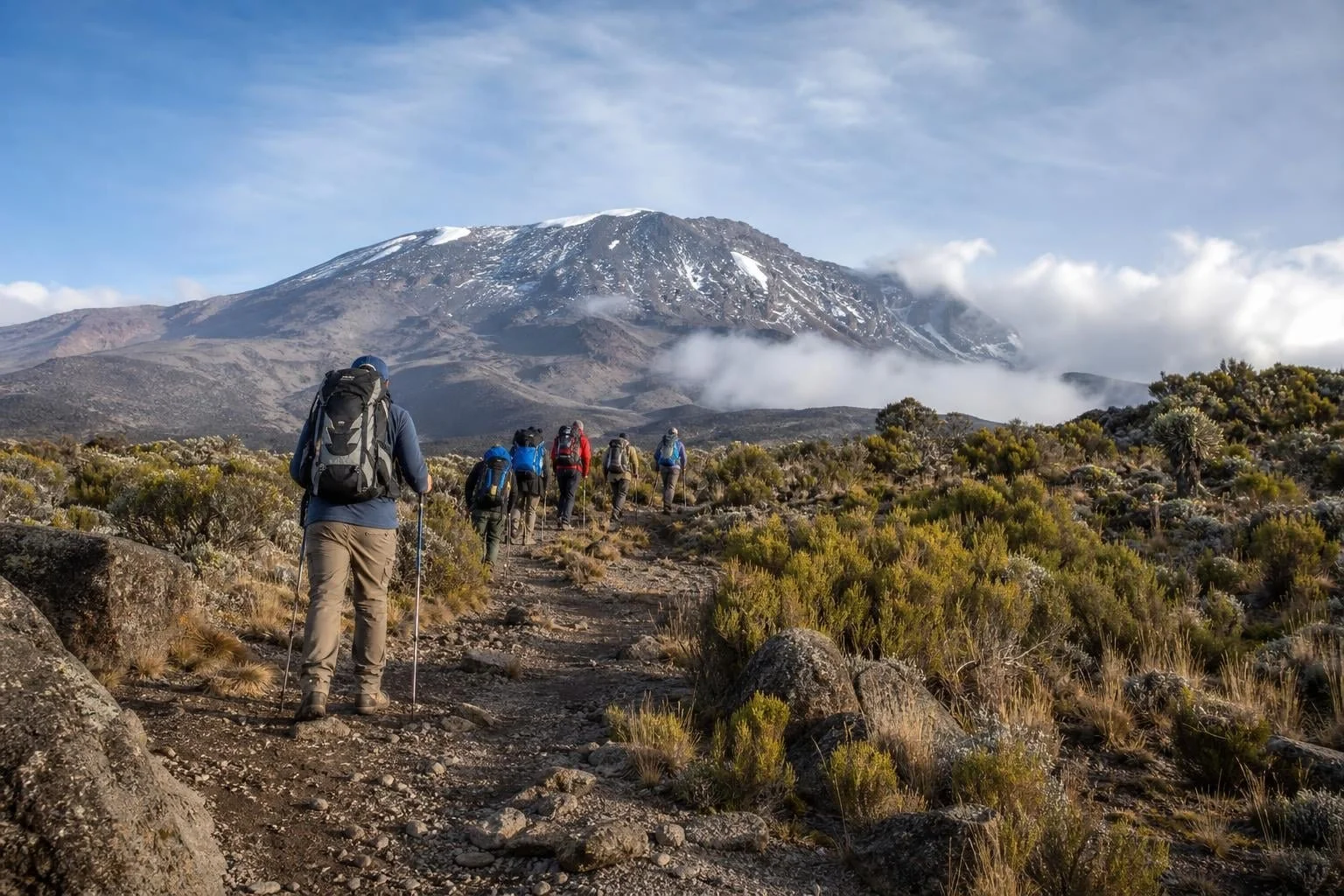
Depending on the route and day’s schedule, climbers often reach camp during the afternoon. Your overnight accommodation may be a mountain hut on the Marangu Route or a tent at a designated campsite on routes such as Machame, Lemosho, Rongai and the Northern Circuit.
Once you arrive, take time to settle in and organise your belongings. On camping routes, the mountain crew manages the camp arrangements according to the operator’s setup. On the Marangu Route, you will settle into the designated hut accommodation.
This is an important opportunity to rest your legs, change out of damp clothing and put on warmer layers as temperatures fall. Keep your sleeping clothes dry, organise the items you will need the next morning and make sure your water supply is ready for the following stage.
Some itineraries include a short acclimatisation walk after reaching camp, sometimes following the principle of climbing higher and returning to sleep at a lower elevation. These walks should only be undertaken when included in the plan and advised by your guide. They are not an invitation to push beyond your limits, especially if you are feeling unwell.
For many climbers, the afternoon at camp becomes one of the most memorable parts of the day. The mountain grows quieter, the clouds move across the landscape and the changing light reveals another side of Kilimanjaro.
Evening: Dinner and Time With Your Mountain Crew
As the temperature drops, dinner becomes a welcome part of the daily routine. Mountain meals often include soup, rice, pasta, potatoes, vegetables and a source of protein, depending on the menu. Warm food can be particularly comforting after several hours of walking in cool conditions.
Eating enough helps replenish the energy used during the day and supports recovery before the next stage. Even if your appetite has decreased at altitude, try to eat what you comfortably can. Continue drinking regularly, and follow your guide’s advice about hydration and the following day’s preparations.
Dinner is also an opportunity to hear about the next stage of the climb. Your guide may discuss the distance, expected walking time, terrain, weather and any special considerations. You can ask questions, check your equipment and clarify the morning’s departure time.
The mountain crew plays an important role in making the journey possible. Guides, cooks and porters coordinate many of the practical details behind your climb, allowing you to focus on the experience. Treating the team with respect and following their guidance helps create a positive experience for everyone.

Night: Prepare for the Next Day and Get Enough Rest
After dinner, most climbers begin preparing for the following day. You may organise your daypack, charge essential devices where possible, refill your water containers, lay out your clothing and pack away anything that needs protection from rain or cold.
Getting enough rest is important because your body is adapting to altitude while recovering from physical exertion. The sleeping environment is basic compared with a hotel, and the cold, wind or sounds of a shared camp may make sleep less comfortable than usual. A suitable sleeping bag, dry sleeping clothes and proper insulation can make a meaningful difference.
Try to avoid staying awake late simply because you are excited about the adventure. Some nights may be interrupted by cold, discomfort or the effects of altitude, so give yourself a reasonable opportunity to sleep.
If you develop a headache, nausea, dizziness or other symptoms during the night, tell your guide. Do not assume that feeling unwell is simply a normal part of climbing. Your safety and wellbeing are more important than sticking rigidly to the planned schedule.

Summit Night: The Most Demanding Part of the Climb
Summit night is different from an ordinary trekking day. On most routes, the final ascent begins around midnight or in the early hours of the morning, although the exact timing depends on the route, camp location, weather and guide’s assessment.
After resting and eating beforehand, climbers dress in their warmest appropriate layers, check their headlamps and begin the slow ascent towards the summit. The darkness, cold temperatures, steep terrain and high altitude make this a physically and mentally demanding stage. Progress can feel slow, and each step requires patience.
Your guide will set a controlled pace, monitor how the group is coping and make decisions based on the conditions. It is important to communicate any symptoms rather than trying to push through them. Reaching Uhuru Peak is an extraordinary achievement, but no summit goal should take priority over your health and safety.
If conditions and your wellbeing allow, reaching the summit around sunrise can offer a remarkable view across the mountain and the landscapes below. After spending time at the summit according to the guide’s instructions and current conditions, the group begins descending. The descent can also be demanding, particularly after a long night, so care and concentration remain essential.
Not everyone reaches the summit, and turning back when necessary is a responsible decision. The mountain will always deserve respect, regardless of where your journey ends.
Does the Daily Routine Change Between Kilimanjaro Routes?
Yes. Although the general rhythm of waking, eating, trekking and resting is similar, the exact schedule varies with your route, itinerary and daily destination.
- Lemosho Route: Offers a scenic approach and is commonly climbed over seven or eight days, allowing flexibility for a more gradual itinerary.
- Machame Route: Often takes six or seven days, with the longer itinerary generally offering more time for acclimatisation.
- Marangu Route: Uses mountain huts rather than tents and follows an established trail for both ascent and descent.
- Rongai Route: Approaches from the north and generally provides a quieter trekking experience.
- Northern Circuit Route: Takes longer than most alternatives and offers an extended journey around the mountain.
- Umbwe Route: Has a steeper, more demanding approach and requires careful consideration of the acclimatisation plan.
The time you wake up, the length of each trekking day and the time you reach camp may all differ. Weather, trail conditions and the group’s progress can also affect the schedule. Your guide will explain the plan each evening and advise you if adjustments are necessary.

Tips for Making Your Daily Kilimanjaro Routine Easier
A few simple habits can help you settle into life on the mountain and make each day more manageable.
Walk slowly and consistently. Follow your guide’s pace instead of trying to move quickly or compete with other climbers.
Drink water regularly. Cold weather can reduce your awareness of thirst, so make hydration part of your routine.
Eat throughout the day. Have breakfast, eat your planned meals and carry familiar snacks for additional energy when needed.
Dress in layers. Temperatures can change considerably as you climb, and layers allow you to adapt without overheating or becoming too cold.
Keep your equipment organised. Prepare your daypack and clothing the evening before to make early starts easier.
Protect your sleep. Use suitable sleeping equipment, keep your night-time clothing dry and give yourself enough time to rest.
Communicate with your guide. Report symptoms, discomfort or concerns early. Do not continue higher if you are feeling unwell without informing your guide.
Be flexible. The mountain’s weather and conditions can change, so your itinerary may need to adapt. A responsible climb places safety ahead of the original schedule.
Experience the Rhythm of the Mountain With Back to Eden Adventure
Life on Mount Kilimanjaro is shaped by simple routines that become meaningful as the journey unfolds. The warmth of breakfast before a cold morning, the steady rhythm of walking through changing landscapes, the comfort of a hot meal at camp and the quiet of the mountain after sunset all become part of the story. Each day brings you closer to understanding the mountain and discovering what you are capable of achieving.
At Back to Eden Adventure, we believe that a well-planned climb is about more than reaching Uhuru Peak. It is about choosing the right route, preparing for the daily demands of trekking and being supported by a team that understands the importance of responsible guiding and acclimatisation.
Whether you choose the scenic Lemosho Route, the popular Machame Route, the hut-based Marangu Route or the longer Northern Circuit, we can help you explore your options and prepare for the experience ahead.
Ready to experience life on the Roof of Africa? Contact Back to Eden Adventure to plan your Mount Kilimanjaro climb. Your adventure begins with the first morning on the mountain, and every step brings you closer to a journey you will never forget.