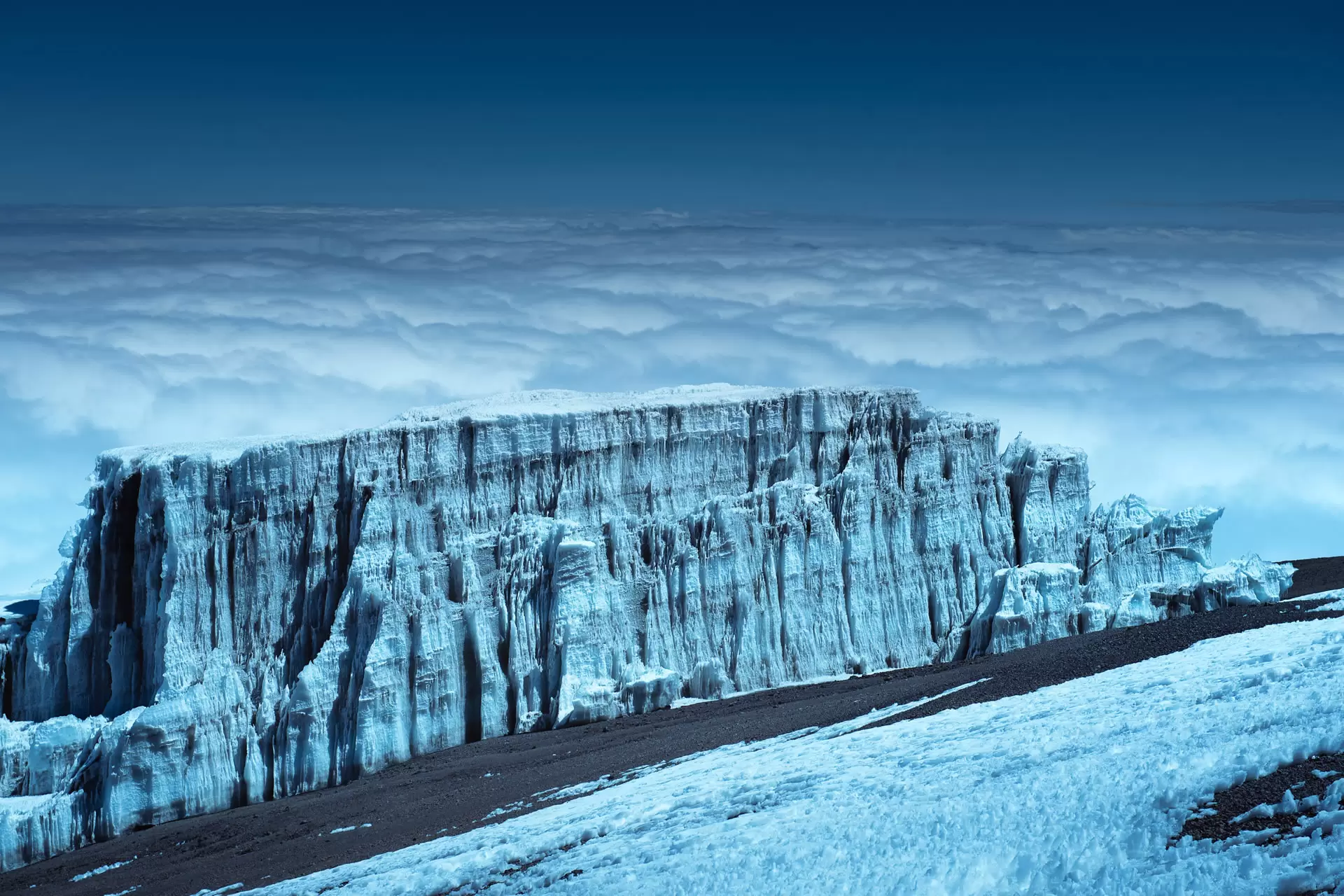
Standing on the roof of Africa is an extraordinary dream. At 5,895 metres above sea level, Mount Kilimanjaro offers a challenge that takes you through lush rainforest, open moorland, dramatic alpine deserts and a breathtaking world of ice and rock near the summit. But before beginning this adventure, one important question deserves an honest answer: how much does it really cost to climb Mount Kilimanjaro?
The cost depends on the route you choose, the number of days you spend on the mountain, the quality of your trekking experience and the services included in your package. A climb is more than a guided walk to the summit. It requires experienced mountain guides, a dedicated support crew, meals, camping or hut accommodation, transportation, park fees and careful planning for altitude and changing weather. Understanding these costs before booking helps you plan with confidence and choose an experience that offers genuine value.

How Much Does It Cost to Climb Kilimanjaro? A Complete Price Guide
For international travellers, a guided Kilimanjaro climb typically costs around US$2,000–US$3,500 per person for a good mid-range experience, although prices vary between operators, routes and seasons. Budget packages may cost less, while premium and luxury climbs can cost considerably more.
Here is a general guide to what you might expect to pay:
- Budget climbs: US$1,500–US$2,200 per person. These packages may use larger groups and more basic equipment and services. Always check exactly what is included, particularly park fees, accommodation and safety provisions.
- Mid-range climbs: US$2,200–US$3,500 per person. This range often offers a balance of experienced guides, suitable equipment, nutritious meals, organised logistics and well-planned itineraries.
- Luxury climbs: US$3,500–US$6,000 or more per person. These may include upgraded accommodation before and after the trek, smaller groups, enhanced camp facilities, private services and additional comfort.
These figures are indicative planning estimates, not fixed quotations. Some advertised prices exclude important expenses, and a lower starting price does not always represent the lowest final cost. Before comparing operators, make sure you are comparing packages with similar route lengths, inclusions and safety standards.
What Is Included in a Kilimanjaro Climbing Package?
One of the biggest reasons climbing prices differ is the range of services included in each package. Understanding these services helps you see where your money goes and why a properly organised climb costs more than simply paying for access to the mountain.
1. National Park Fees
Park fees form a substantial part of the cost. Climbers must pay the applicable conservation fees, camping or hut fees, rescue fees and other relevant charges. The amount depends on the route, number of days, visitor category and current official tariff.
These charges are not optional extras that a responsible operator can simply remove to make a package cheaper. When you receive a quotation, ask whether all applicable park fees and taxes are included and request clarification about anything listed separately.
2. Professional Mountain Guides and Support Crew
Climbing Kilimanjaro requires an organised team. Professional guides lead the trek, monitor the group’s progress and help assess how climbers are responding to altitude. Porters transport essential supplies and equipment, while cooks prepare meals throughout the journey.
The quality and welfare of this team matter. Fair wages, appropriate equipment, adequate food and responsible working conditions should be part of a well-managed climb. Choosing a reputable operator helps support the people who make your summit attempt possible while contributing to the local communities whose livelihoods depend on mountain tourism.
3. Food and Drinking Water
Your body needs sufficient energy for several consecutive days of trekking, often in cold and physically demanding conditions. Climbing packages generally include meals prepared by the mountain crew, along with arrangements for drinking water.
The menu and level of service can vary, but food should be planned around the demands of the trek. If you have dietary requirements, allergies or other food preferences, communicate these before booking so the operator can confirm what can be accommodated.
4. Accommodation on the Mountain
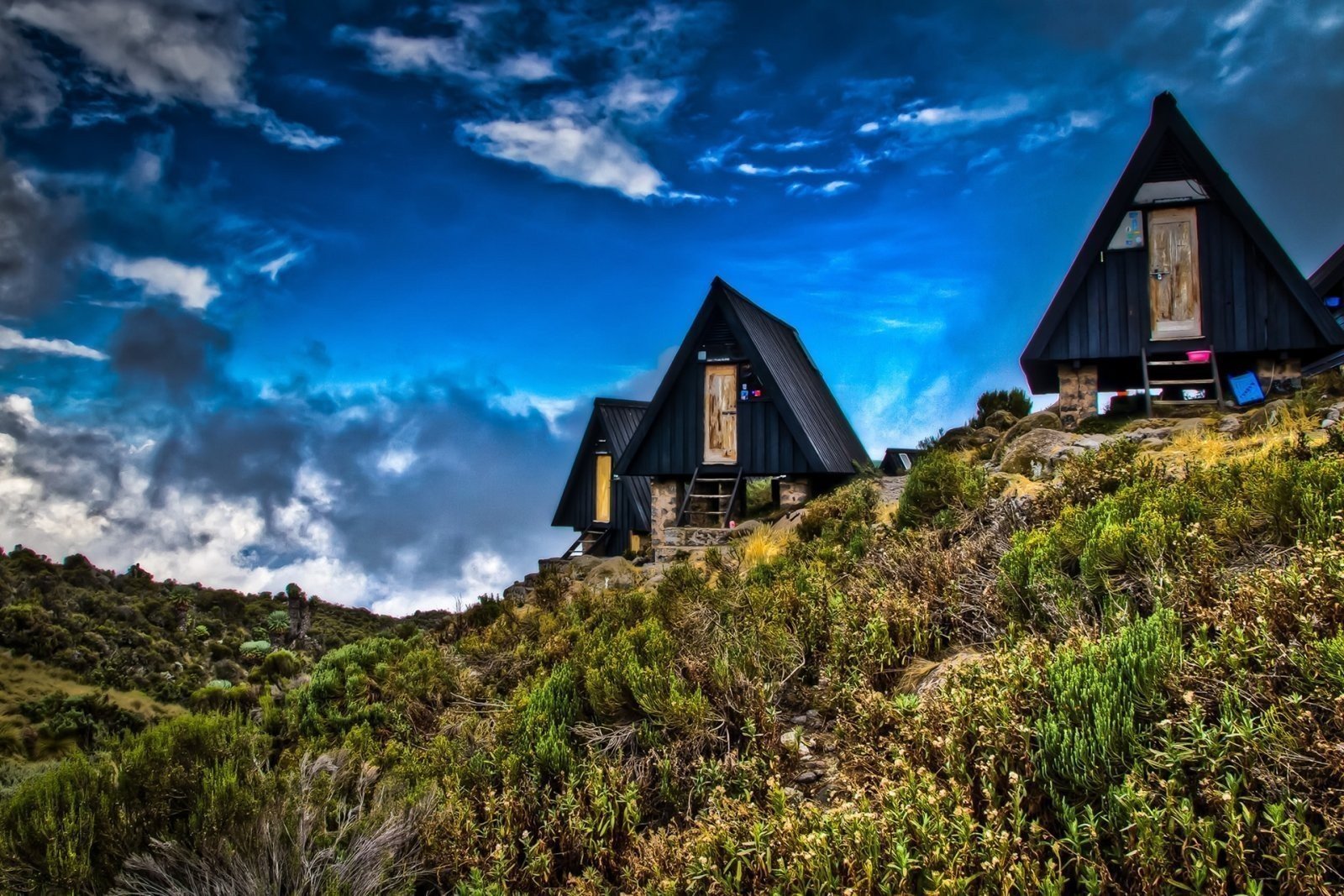
Your route determines where you sleep. On the Marangu Route, climbers stay in designated mountain huts. On routes such as Machame, Lemosho, Rongai and Northern Circuit, accommodation generally involves camping at designated sites.
The package may also include hotel accommodation in Moshi or another nearby town before and after the climb. Check how many nights are provided, whether meals are included at the hotel and whether airport transfers form part of the arrangement.
5. Transfers and Climb Logistics
Getting to the mountain is another important part of the budget. Many packages include transfers between Kilimanjaro International Airport, your hotel and the appropriate trailhead. Operators also coordinate permits, crew arrangements, equipment transport and the logistics of reaching the mountain and returning after the trek.
Confirm whether airport transfers and pre- and post-climb accommodation are included in your quotation. If you arrive a day early or stay longer after the climb, you may need to budget for additional nights and transport.
How Your Chosen Route Affects the Price
Mount Kilimanjaro has several established routes, each offering a different combination of scenery, duration, accommodation and acclimatisation opportunities. The route you choose can significantly influence your total cost because additional days mean additional park charges, meals, crew support and accommodation.
Marangu Route
The Marangu Route is known for its mountain huts and established trail. It appeals to climbers who prefer sleeping in huts rather than tents. However, hut accommodation does not automatically make it the best or safest choice for everyone. The itinerary length and opportunities to acclimatise should remain important considerations when choosing a package.
Machame Route
The Machame Route is popular for its varied scenery and camping experience. It typically takes six or seven days, depending on the itinerary. A longer version generally costs more because it requires additional time on the mountain, but the extra day can offer valuable time for acclimatisation.
Lemosho Route
The Lemosho Route is celebrated for its beautiful landscapes and approach through the western side of Kilimanjaro. It commonly takes seven or eight days, depending on the itinerary. Longer Lemosho climbs often cost more than shorter options, but they provide more time to adapt to the altitude and enjoy the journey.
Rongai Route
Approaching from the northern side of the mountain, the Rongai Route offers a different perspective of Kilimanjaro. Its cost depends on the number of trekking days, camp arrangements and the services included in the package.
Northern Circuit Route
The Northern Circuit is a longer option that explores a quieter section of the mountain and provides an extended acclimatisation itinerary. Because the climb takes more days, it generally costs more than shorter routes. It can be an appealing choice for travellers who have sufficient time and want a more gradual journey toward the summit.
Umbwe Route
The Umbwe Route is known for its steep and demanding approach. It is generally considered more challenging and is not automatically the right choice for first-time climbers. When comparing prices, prioritise an itinerary suited to your fitness and acclimatisation needs rather than choosing a route simply because it is shorter.
As a general rule, the number of days on the mountain is one of the biggest factors affecting your final price. A longer climb costs more to operate, but the cheapest and shortest itinerary is not necessarily the best value. Choose a route based on your preparation, available time and the quality of the overall experience.

What Other Expenses Should You Budget For?
The advertised climbing package is only one part of your travel budget. Depending on your arrangements, several additional expenses may apply.
International flights: Your airfare depends on your departure country, airline, travel dates and how early you book. Flights are often a significant additional cost for international visitors.
Visa and travel insurance: Check Tanzania’s current entry requirements for your nationality. Choose travel insurance that explicitly covers high-altitude trekking up to Kilimanjaro’s summit and emergency evacuation, subject to the policy’s conditions and exclusions.
Climbing equipment: You may need suitable hiking boots, thermal layers, waterproof clothing, gloves, a warm sleeping bag and other essential equipment. You can buy or rent some items, depending on availability and your preferences. Ask your operator what equipment is provided and what you must bring.
Tips for the mountain crew: Tipping is customary on many Kilimanjaro climbs, and the expected amount depends on the group, crew size, trek duration and service. Ask your operator for transparent guidance so you can plan appropriately and understand how tips are distributed.
Accommodation and meals outside the climb: Extra hotel nights, meals not included in your package and transfers outside the agreed itinerary may increase your spending.
Personal expenses: Souvenirs, snacks, additional equipment, laundry and other personal purchases should also be considered.
For many international travellers, a realistic overall budget can reach approximately US$3,500–US$5,500 per person or more once the climb is combined with flights, equipment, tips, insurance and other travel expenses. Your actual total may be lower or higher depending on where you travel from and the experience you choose.
Why You Should Be Careful With Very Cheap Kilimanjaro Packages
Finding a good price is sensible, but the cheapest offer is not always the best decision for a mountain adventure. When a package appears dramatically cheaper than comparable climbs, ask what has been left out and how the operator manages essential services.
Confirm that the quoted price covers the applicable park fees, meals, accommodation, transport and support crew. Ask about guide qualifications, emergency procedures, altitude monitoring and the equipment carried on the mountain. It is also reasonable to ask how the operator supports its guides and porters and whether the itinerary provides adequate time for acclimatisation.
A responsible operator should be willing to explain the package clearly rather than relying on a low headline price. Your experience depends on the people, planning and support behind the journey, not only on reaching the trailhead for less money.
Is Climbing Kilimanjaro Worth the Cost?
For many travellers, the answer is yes. Kilimanjaro is not simply a destination where you arrive, take a photograph and leave. It is a journey through extraordinary landscapes, a test of patience and determination, and an opportunity to discover what you can achieve one step at a time.
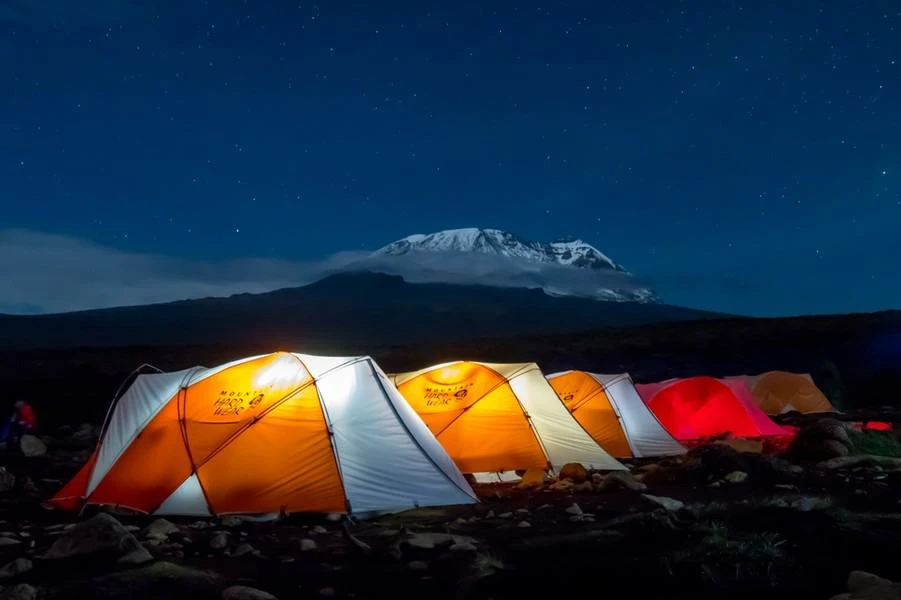
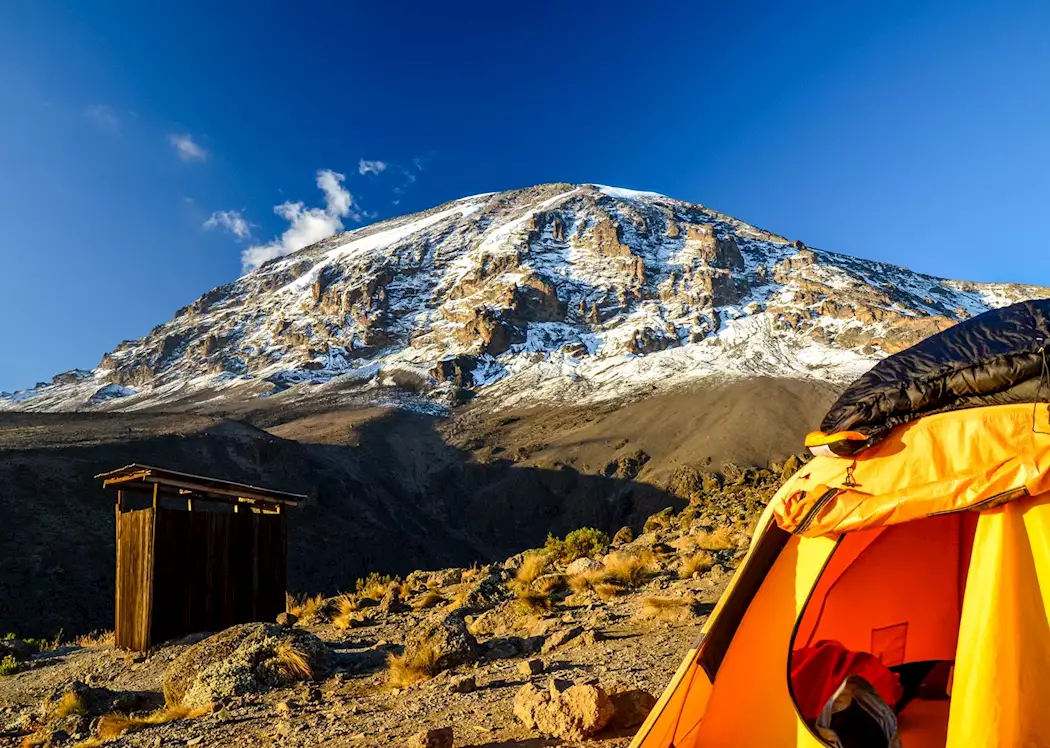
Each day brings a different environment and a different challenge. You may begin beneath the forest canopy, continue across open moorland and eventually find yourself walking through a stark alpine landscape beneath a sky filled with stars. Summit night demands patience and perseverance, and the final ascent can be physically and mentally challenging. When the first light appears over Africa and the summit comes into view, the experience can become a memory you carry for the rest of your life.
The value of the climb also lies in how responsibly it is organised. Your booking supports local guides, porters, cooks, drivers and other professionals who make this adventure possible. Choosing a well-planned itinerary and a responsible operator helps protect your experience while contributing to the people who welcome climbers to the mountain.

How to Choose the Right Kilimanjaro Package
Before making a booking, compare the full details of at least a few packages rather than focusing on the headline price alone. Look at the route, number of days, accommodation, meals, transfers, park fees, equipment, crew arrangements and any exclusions. Check the operator’s experience and ask how it prepares climbers for altitude and responds to emergencies.
Think carefully about the time you can devote to the climb. If your schedule allows it, an itinerary with more acclimatisation time may be preferable to a shorter climb. Make sure you understand what happens if weather, altitude-related symptoms or other safety concerns require a change of plan.
Most importantly, choose an experience that fits your needs and gives you confidence in the team supporting you. Kilimanjaro is a serious mountain, and its true value lies in reaching for the summit with the right preparation, support and respect for the conditions.
Plan Your Kilimanjaro Adventure With Back to Eden Adventure
Your dream of standing on the roof of Africa deserves thoughtful planning from the very beginning. At Back to Eden Adventure, we believe a memorable mountain experience starts with understanding your goals, choosing the right route and creating an itinerary that balances adventure, comfort and responsible preparation.
Whether you are considering the scenic Lemosho Route, the popular Machame Route, the hut-based Marangu Route or the longer Northern Circuit, we can help you explore your options and understand the costs involved. Our aim is to help you make an informed decision, with a clear picture of what your climb includes before your journey begins.
Contact Back to Eden Adventure to plan your Mount Kilimanjaro climb. Tell us when you hope to travel, which route interests you and what kind of experience you have in mind. Together, we can help you turn your dream of reaching Uhuru Peak into a carefully planned African adventure.