
Climbing Mount Kilimanjaro is an adventure that takes you through some of the most extraordinary landscapes in Africa, from lush tropical rainforest to open moorland, rocky alpine deserts and the dramatic world surrounding the summit. Every day brings a new environment, a different challenge and another step towards Uhuru Peak, the highest point in Africa. But as you plan your journey, one practical question naturally comes to mind: where do you sleep while climbing Mount Kilimanjaro?
Unlike a traditional holiday, where you return to the comfort of a hotel each evening, a Kilimanjaro climb involves spending several nights on the mountain. Your accommodation depends largely on the route you choose. Some routes provide designated mountain huts with shared sleeping facilities, while others involve camping at established campsites with tents prepared by your mountain crew. Both experiences allow you to rest, recover and prepare for the next stage of your adventure.
Understanding what accommodation is available, what facilities to expect and how to prepare for cold mountain nights can help you choose the right route and approach your climb with confidence. Whether you prefer the simplicity of sleeping beneath canvas or the shelter of a mountain hut, accommodation is an important part of the Kilimanjaro experience.
What Types of Accommodation Are Available on Mount Kilimanjaro?
There are two main types of overnight accommodation used on established Kilimanjaro climbing routes: mountain huts and mountain campsites. The option available to you depends on the route you select, as not every route offers the same facilities.
Mountain huts are most closely associated with the Marangu Route. They provide fixed shelters where climbers sleep in shared dormitory-style rooms. Camping is used on routes such as Machame, Lemosho, Rongai and the Northern Circuit, where climbers stay at designated campsites along the trail.
Neither option should be confused with a luxury safari lodge. Facilities become more basic as you move higher up the mountain, and the purpose of accommodation is to provide a place to rest, shelter from the elements and prepare for the following day’s trek. The reward is an experience that brings you closer to Kilimanjaro’s wilderness, where the sound of the wind, the changing light and the vast mountain landscape become part of your journey.

Mountain Huts on the Marangu Route
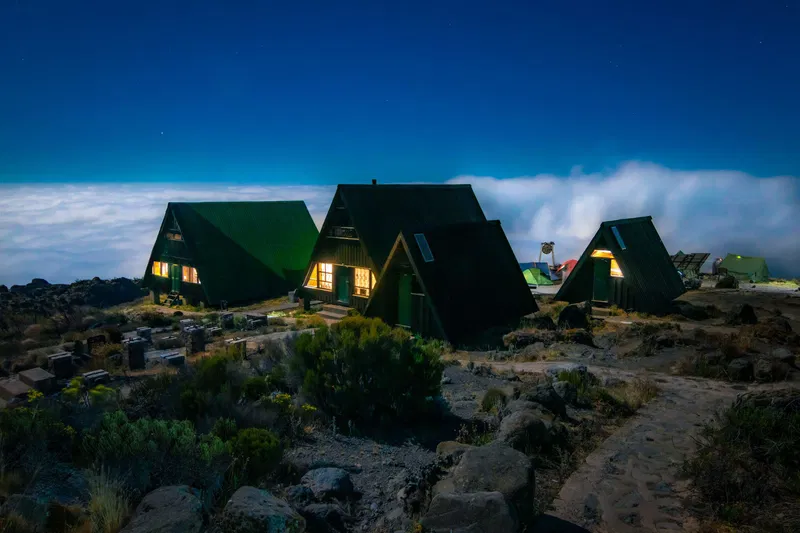
The Marangu Route is the best-known Kilimanjaro route offering hut accommodation. It is sometimes called the “Coca-Cola Route,” and it appeals to climbers who prefer sleeping in permanent mountain shelters rather than tents.
Along the route, climbers typically stay at Mandara Hut and Horombo Hut before continuing towards Kibo Hut for the summit attempt. The exact overnight arrangements depend on your itinerary and the route plan. These facilities provide designated sleeping areas, usually with shared dormitory-style accommodation, along with communal spaces for climbers.
What Are the Huts Like?
Mountain huts offer a solid roof and walls, providing shelter from rain and wind. Sleeping areas are shared with other climbers, and the facilities are relatively simple compared with hotels. Some huts have communal dining areas and basic toilet facilities, but comfort levels vary between locations and facilities should not be assumed to be luxurious.
You should bring or arrange a suitable sleeping bag, as bedding is not generally provided in the way it would be at a hotel. A sleeping mat may be supplied as part of the hut arrangements, but it is best to confirm what your operator includes. Warm clothing is essential because temperatures drop significantly at higher elevations, particularly at night.
Is Hut Accommodation More Comfortable?
For some climbers, huts feel more comfortable because they provide a fixed shelter and eliminate the need to sleep inside a tent. They can also be appealing to travellers who are unfamiliar with camping.
However, huts are shared spaces, and privacy is limited. You may hear other climbers moving around, talking or preparing for early starts. Facilities are basic, and a solid roof does not eliminate the cold. The higher you climb, the more important your sleeping bag, clothing and preparation become.
The Marangu Route’s hut accommodation is a distinctive feature, but it should not be the only factor influencing your route choice. Your fitness, available time, preferred scenery and opportunities for acclimatisation are equally important when deciding how to climb Kilimanjaro.
Camping on Mount Kilimanjaro
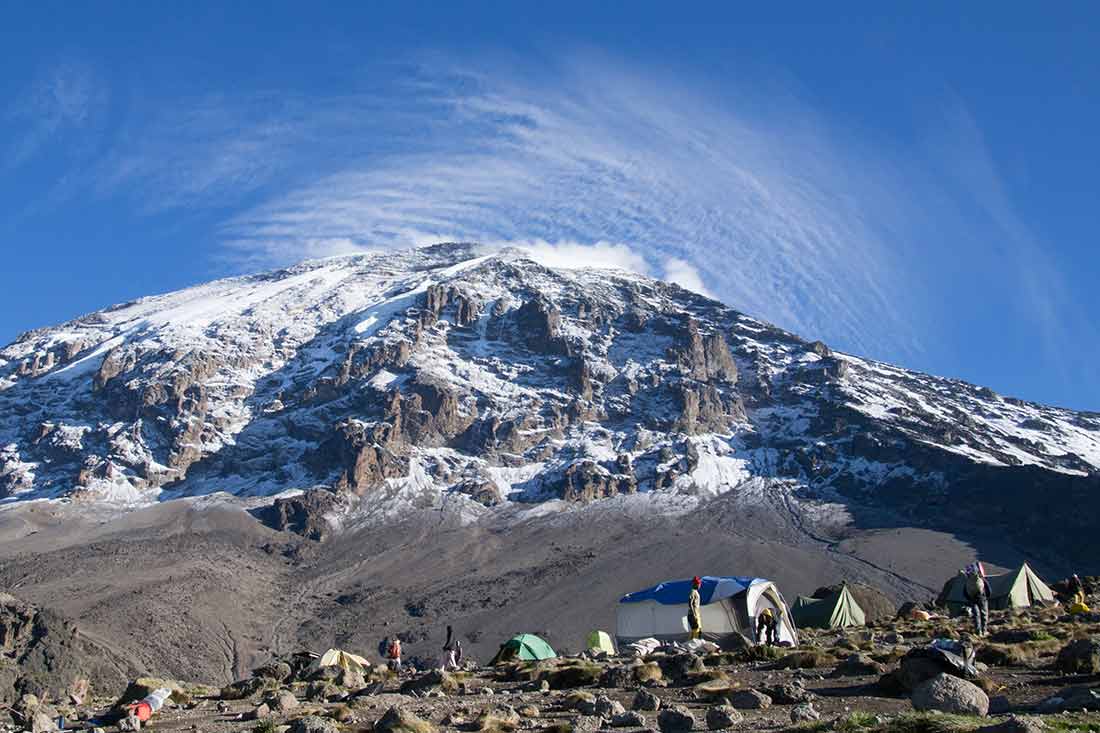
For climbers choosing routes such as Machame, Lemosho, Rongai or the Northern Circuit, camping is the standard accommodation experience. Rather than returning to a permanent building each evening, you spend the night at designated mountain camps, surrounded by the landscape you have spent the day exploring.
Camping brings a special atmosphere to Kilimanjaro. After hours of trekking, you arrive at camp, where the mountain crew helps organise the sleeping arrangements and prepare meals. As daylight fades, the temperature falls, the clouds may drift across the slopes and the sky can reveal a remarkable display of stars when conditions are clear.
The experience is simple, but it is often one of the most memorable parts of the climb. You become more connected to the mountain, learning to appreciate the quiet moments between the physical challenges of each day.
What Is a Kilimanjaro Mountain Tent Like?
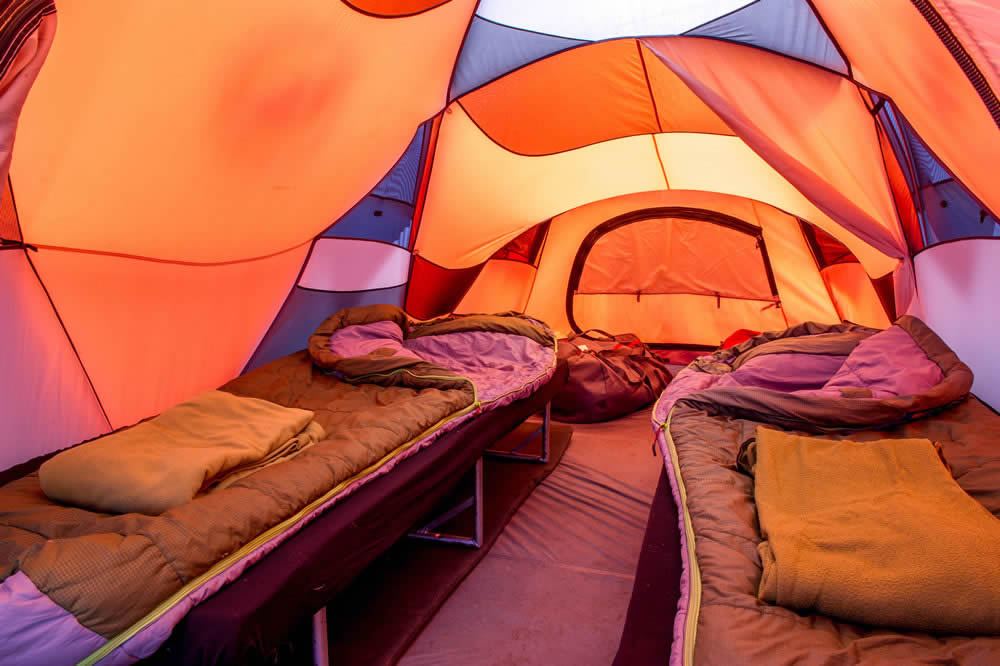
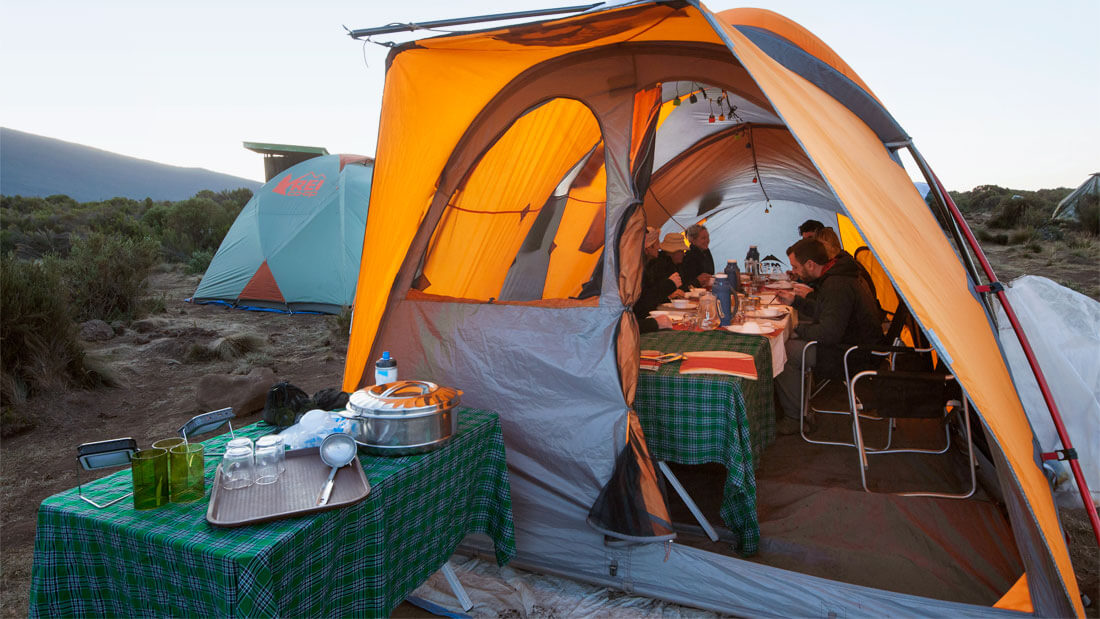
On a typical organised camping climb, your operator arranges suitable mountain tents for overnight use. The type, size and quality of the tents vary by operator and package. Many operators provide sleeping tents designed to protect climbers from wind and rain, while the support crew may also arrange a separate dining tent where the campsite setup allows.
Your sleeping tent is primarily a place to rest, change clothes and keep your essential belongings protected. Space is limited, and you should not expect hotel-style furnishings, private bathrooms or electricity in the tent. Depending on your booking, you may share a tent with another climber or have a single tent at an additional cost.
Before booking, ask what tent arrangements are included, how many people share each tent and whether sleeping mats and other equipment are supplied. Understanding these details helps you know exactly what to expect when you arrive at your first campsite.
What Happens When You Arrive at Camp?
After a day on the trail, your guides lead you to the designated campsite. The support crew helps organise camp, and your operator’s arrangements determine how tents and other facilities are set up. Depending on the itinerary and camp conditions, you may have time to relax, enjoy a warm drink, eat dinner and prepare your belongings for the following day.
Evenings on Kilimanjaro are generally quiet and focused on recovery. You will usually want to organise your daypack, check your clothing, refill your water supply according to your guide’s instructions and get as much rest as possible. An early bedtime is often helpful because the following morning may begin soon after sunrise, or much earlier on summit night.
Camping does require some adjustment, especially if you are used to sleeping in a comfortable hotel bed. However, with appropriate equipment and a well-organised crew, it can be a rewarding part of the journey.

What About Accommodation on the Other Kilimanjaro Routes?
Each route offers a different mountain experience, and the accommodation arrangements are an important part of the decision.
Machame Route
The Machame Route uses designated campsites, where climbers sleep in tents. It is popular for its varied scenery and its journey through different climatic zones. Because the route commonly takes six or seven days, depending on the itinerary, you should expect several nights of camping before returning from the mountain.
Lemosho Route
The Lemosho Route also uses designated campsites and is known for its scenic approach across the western side of Kilimanjaro. It commonly takes seven or eight days, depending on the itinerary. The longer journey means more nights on the mountain, giving you additional time to experience the changing landscapes and adjust to the altitude.
Rongai Route
Approaching Kilimanjaro from the northern side, the Rongai Route offers a different perspective of the mountain. Overnight accommodation is generally in tents at designated campsites. The northern side is often drier than the southern slopes, although weather remains unpredictable and rain is still possible.
Northern Circuit Route
The Northern Circuit is a longer route that explores the quieter northern slopes of Kilimanjaro. Climbers generally camp at designated sites throughout the journey. Its extended itinerary means more nights on the mountain, so sleeping equipment, suitable clothing and preparation for cold conditions are particularly important.
Umbwe Route
The Umbwe Route is known for its steep and demanding ascent. Camping is generally used, and the route is often chosen by experienced trekkers seeking a more challenging approach. It is important to assess whether the route’s demands and acclimatisation profile are appropriate for you before booking.
Whatever route you choose, your operator should explain the overnight arrangements in advance. The number of nights, campsite facilities and equipment supplied may vary according to the itinerary and package.
Is There Luxury Accommodation on Mount Kilimanjaro?
Kilimanjaro is a wilderness trekking experience, so accommodation on the mountain is much more basic than a luxury safari lodge or beach resort. You should not expect private hotel rooms, en-suite bathrooms or full-service facilities at the high-altitude camps.
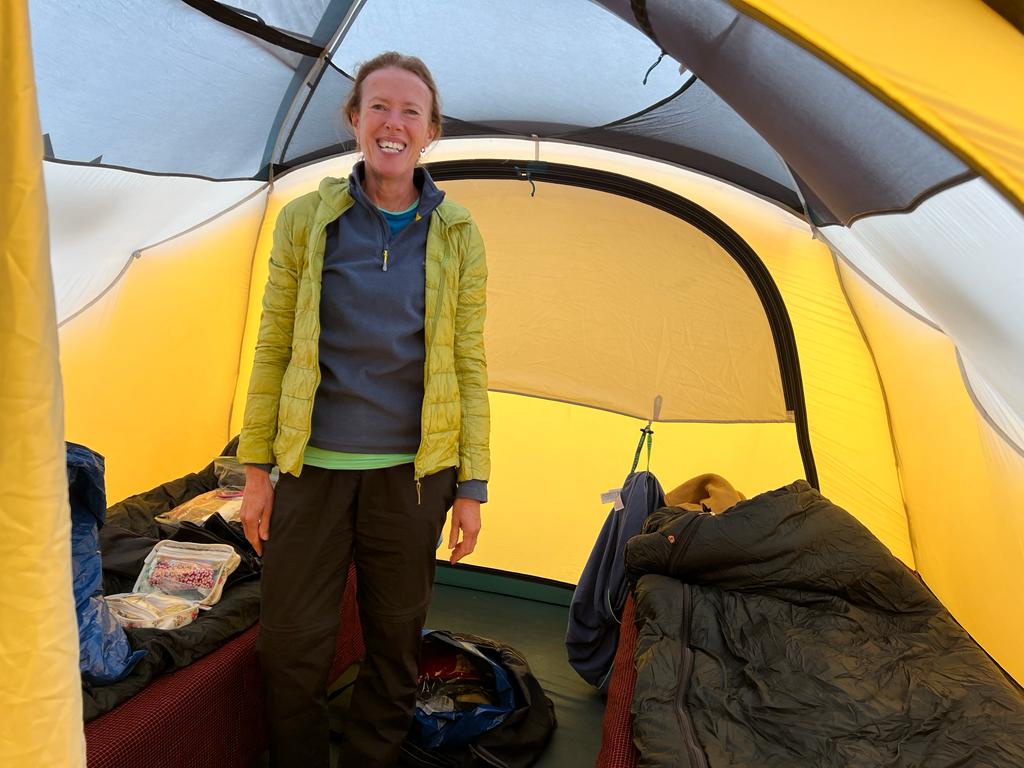
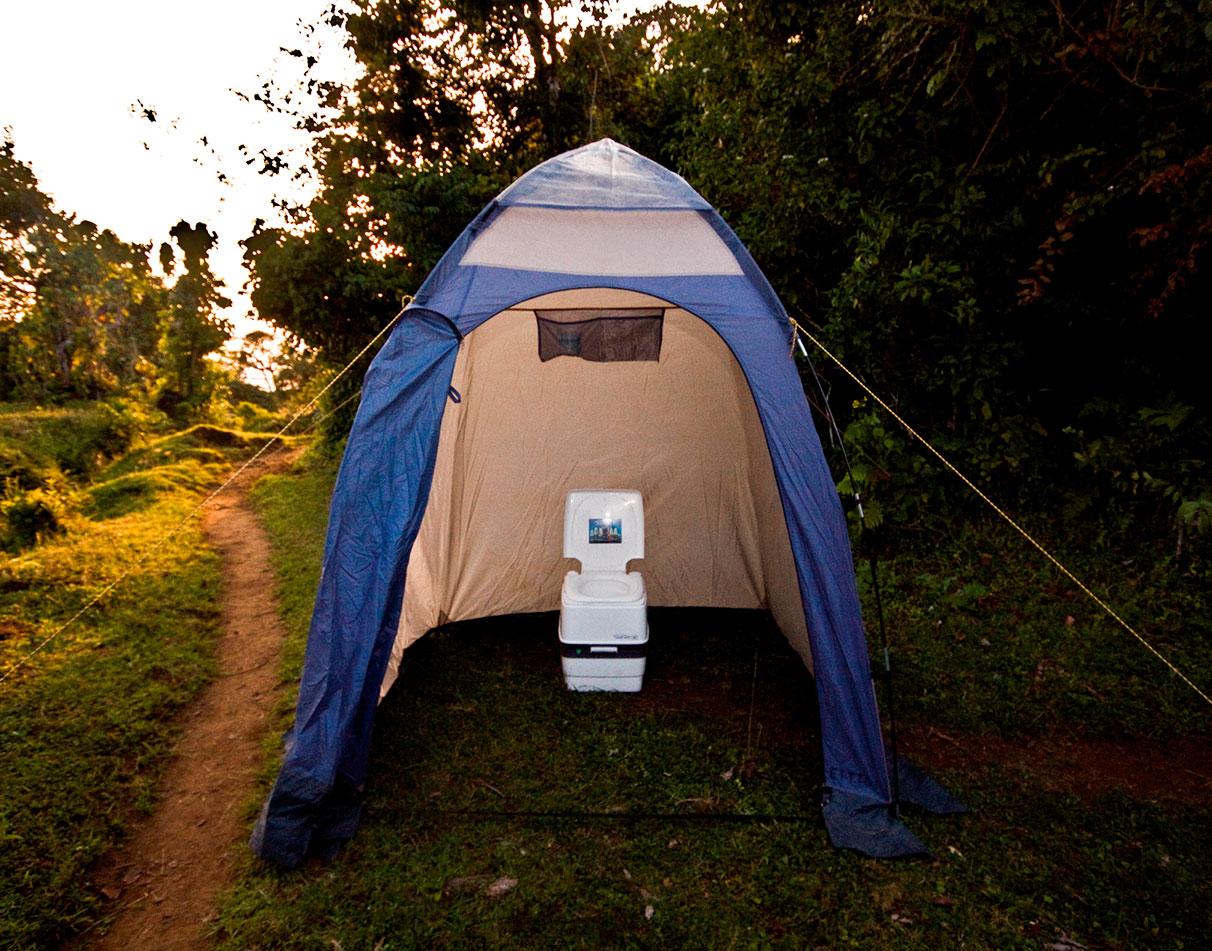
However, a premium climbing package may provide additional comfort through upgraded tents, more spacious sleeping arrangements, improved sleeping equipment, a private toilet tent where permitted and available, or a dedicated dining setup. The specific services depend on the operator, route and campsite regulations.
For travellers who want greater comfort, it is also possible to combine the climb with a stay at a quality hotel or lodge before and after the trek. This gives you time to prepare, rest and recover in comfortable surroundings while keeping the mountain portion of the journey focused on trekking.
If comfort is important to you, discuss your preferences with your operator before booking. Ask which upgrades are available, what they cost and which facilities can realistically be provided on your chosen route.

What Facilities Can You Expect at Mountain Camps?
Kilimanjaro camps are designed to support multi-day trekking, not to replicate a hotel. Facilities vary by campsite, and climbers should be prepared for simple conditions throughout the journey.
Toilets: Camps generally have designated toilet facilities, but the standard varies and can be basic. Some operators may offer a private portable toilet facility as an additional service where arrangements and regulations permit. Ask what is included in your package.
Dining arrangements: On organised climbs, meals are generally prepared by the expedition cook. Depending on the operator and campsite, climbers may eat inside a designated dining tent or another available communal area.
Electricity: Reliable electricity is not generally available at mountain camps in the way it is at hotels. Bring a suitable power bank if you need to charge a phone or camera, and ask your operator about any charging arrangements.
Mobile phone signal: Network coverage varies across the mountain. Some areas may have a signal, while others have little or none. Do not rely on consistent connectivity throughout the trek.
Showers: Conventional hot showers should not be expected at mountain camps. Facilities are limited, and climbers generally rely on basic washing arrangements. Your operator can explain what is available on your specific route.
Understanding these limitations before your climb helps you prepare practically and appreciate the mountain for what it is: a remarkable natural environment where simplicity is part of the adventure.
What Should You Bring for Sleeping on Kilimanjaro?
Good sleeping equipment is essential because the mountain becomes increasingly cold as you gain altitude. After a demanding day of trekking, a warm and comfortable night’s rest can help you recover and prepare for the next stage.
Your essential sleeping equipment may include:
- A suitable sleeping bag: Choose one rated for the cold conditions expected on your route, particularly at the highest camps. Ask your operator whether rental sleeping bags are available.
- A sleeping mat: Confirm whether your package includes one and whether its insulation is suitable for mountain conditions.
- Thermal base layers: Wearing clean, dry thermal clothing at night can help you stay warm.
- Warm socks: Keep a dry pair specifically for sleeping.
- A warm hat: A comfortable hat can help retain heat on cold nights.
- A headlamp: Useful for moving around camp in darkness and essential for the summit attempt.
- Dry bags or waterproof packing bags: Protect spare clothes and sleeping essentials from rain and moisture.
Pack your sleeping clothes separately so that you can access them easily when you arrive at camp. Keeping your sleeping bag and dry clothing protected from moisture is especially important during wet conditions.
Your operator should provide a clear packing list and tell you which items are supplied, available for hire or your responsibility to bring.

How Cold Is It at Night on Kilimanjaro?
Temperatures vary according to elevation, weather and season. Lower camps can feel relatively mild, but nights become much colder as you climb higher. At the upper camps, temperatures may fall below freezing, and conditions near the summit can be extremely cold, particularly during the early-morning ascent.
The cold can feel more intense when you are tired, have damp clothing or remain inactive for long periods. This is why keeping your clothing dry, using a suitable sleeping bag and following your guide’s advice are important parts of mountain preparation.
Do not assume that warm weather in Moshi means the mountain will be warm. Kilimanjaro rises through several climatic zones, and the summit environment is very different from the conditions at the base. Prepare for cold nights even if you are climbing during one of the drier seasons.

Can You Stay in a Hotel Before and After the Climb?
Yes. Our Kilimanjaro itineraries include accommodation in Moshi or another nearby location before and after the trek. These nights are valuable because they give you time to meet your mountain team, check your equipment and prepare for the climb without immediately heading onto the trail after a long journey.
A pre-climb hotel stay can also allow time for equipment fitting, last-minute purchases and a briefing about the route, weather, meals and safety procedures. After descending from the mountain, a comfortable room, a hot shower and a proper bed can feel especially rewarding.
The standard of hotel accommodation varies by package. Some climbs include a simple hotel, while others offer upgraded lodges or more luxurious options. Confirm the number of nights, meal arrangements, airport transfers and any additional charges before making your booking.
For travellers combining Kilimanjaro with a Tanzania safari or a Zanzibar holiday, these hotel stays can also be part of a wider African adventure.
How to Choose the Right Accommodation for Your Climb
The best accommodation is not necessarily the most expensive option. It is the one that suits your expectations, route, budget and comfort needs while allowing you to focus on the mountain.
If you prefer permanent shelter, the Marangu Route may appeal to you because it uses mountain huts. If you enjoy being close to nature and do not mind sleeping in tents, routes such as Machame, Lemosho, Rongai and the Northern Circuit may be more suitable. Your choice should also take account of the route’s duration, scenery, physical demands and opportunities for acclimatisation.
Before booking, ask your operator these important questions:
- Which type of accommodation is used on my chosen route?
- How many people share each hut room or sleeping tent?
- Are tents, sleeping mats and sleeping bags included, or can they be rented?
- Are dining tents and private toilet facilities available?
- What accommodation is included before and after the climb?
- Are there additional charges for single occupancy or comfort upgrades?
Clear answers help you compare packages fairly and avoid unexpected expenses. Most importantly, choose an itinerary and operator that prioritise responsible mountain operations, appropriate equipment and climber safety.
Discover Mount Kilimanjaro With Back to Eden Adventure
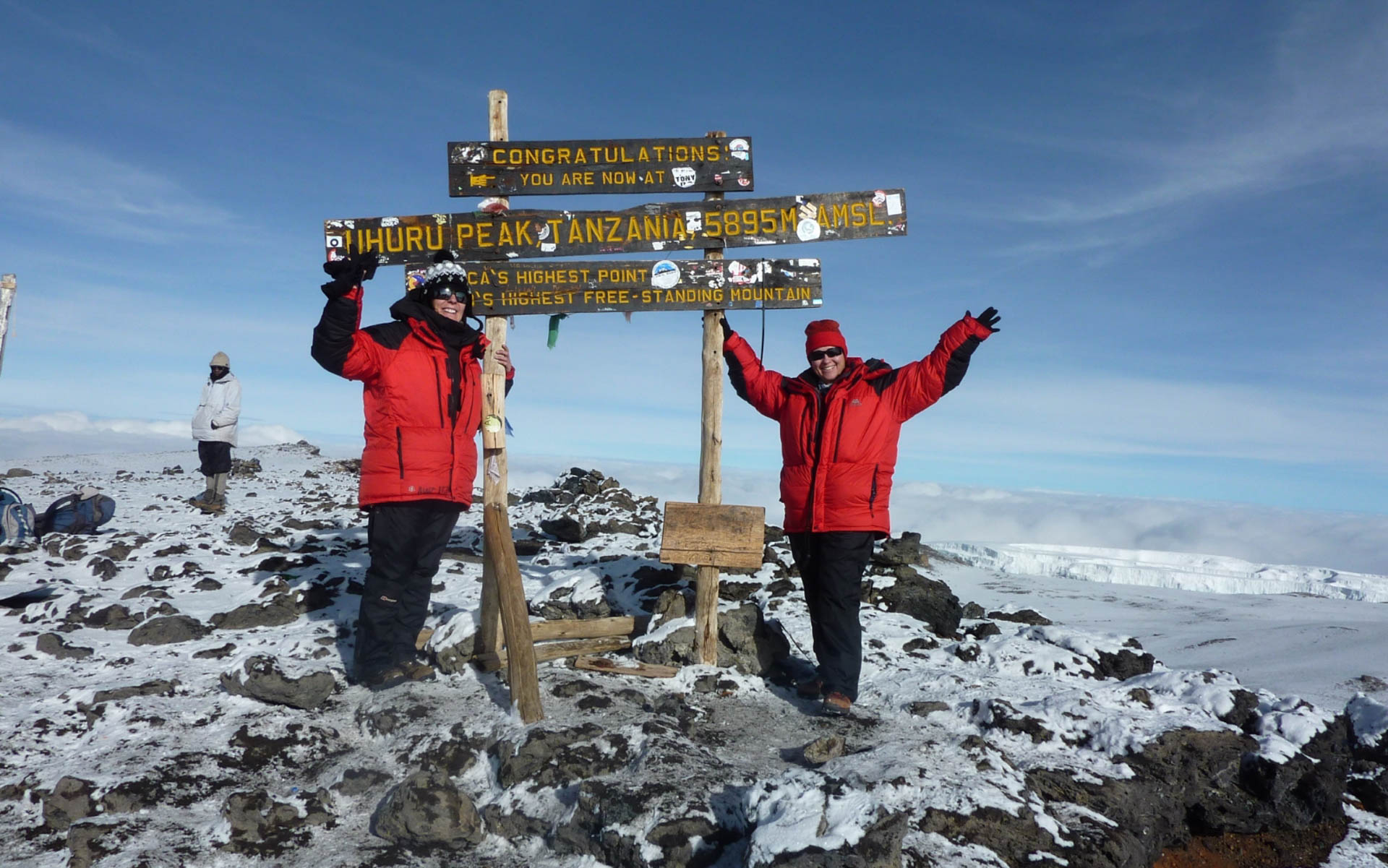
Sleeping on Mount Kilimanjaro is about more than finding a place to rest. It is part of the experience of entering a remarkable wilderness, watching the light change across the mountain and preparing for another day closer to Africa’s highest point. Whether you spend the night in a mountain hut or in a tent beneath the stars, each evening offers a moment to reflect on the journey and prepare for the challenge ahead.
At Back to Eden Adventure, we believe a great mountain experience begins with thoughtful planning and clear expectations. From choosing the right route and understanding your accommodation to preparing for cold nights and long trekking days, knowing the details can make your adventure more rewarding.
Whether you are drawn to the hut accommodation of the Marangu Route or the camping experience of Lemosho, Machame, Rongai or the Northern Circuit, we can help you explore your options and plan a climb suited to your goals.
Ready to experience the Roof of Africa? Contact Back to Eden Adventure to start planning your Mount Kilimanjaro climb. Your journey will take you far beyond the ordinary, through changing landscapes and unforgettable nights on one of the world’s most remarkable mountains.