
Climbing Mount Kilimanjaro is one of the most rewarding adventures you can experience in Africa. From walking beneath the towering trees of the rainforest to crossing the open alpine desert and approaching the snow-covered summit, every stage reveals a different side of this remarkable mountain. Yet behind the beauty and excitement lies a serious physical challenge that deserves respect and preparation. Standing at 5,895 metres above sea level, Kilimanjaro exposes climbers to low oxygen levels, rapidly changing weather, freezing summit temperatures, and demanding walking conditions. Understanding these risks is an essential part of planning your expedition. With appropriate preparation, a well-designed itinerary, experienced mountain guides, and a willingness to follow safety advice, you can approach your climb with greater confidence. At Back to Eden Adventure, we believe a successful Kilimanjaro expedition is not simply about reaching the summit; it is about experiencing the mountain responsibly, looking after one another, and returning safely with memories of an extraordinary journey.
Is Mount Kilimanjaro Safe to Climb?
Mount Kilimanjaro can be climbed by many people with suitable preparation and professional support, but it is not a risk-free adventure. The mountain does not require technical mountaineering skills on the standard trekking routes, yet its extreme altitude makes the climb physically demanding and potentially dangerous. Even travellers who exercise regularly and consider themselves fit can develop altitude sickness, because physical fitness does not guarantee that the body will adapt to reduced oxygen levels.
Safety begins long before you reach the trailhead. Choosing an appropriate route, allowing sufficient time for acclimatisation, using a reputable licensed climbing operator, carrying suitable clothing, and being honest about how you feel during the expedition can all make a meaningful difference. Your guides should explain the daily plan, monitor your condition, and help the group respond appropriately if problems arise. You should also understand that reaching the summit is never more important than your wellbeing. If conditions become unsafe or symptoms suggest a serious problem, changing the plan or turning back is the responsible decision.
The mountain rewards patience and preparation rather than rushing. By understanding the challenges before departure and approaching each day with care, you can give yourself a stronger foundation for an enjoyable and responsible Kilimanjaro experience.

Understanding Altitude Sickness on Kilimanjaro
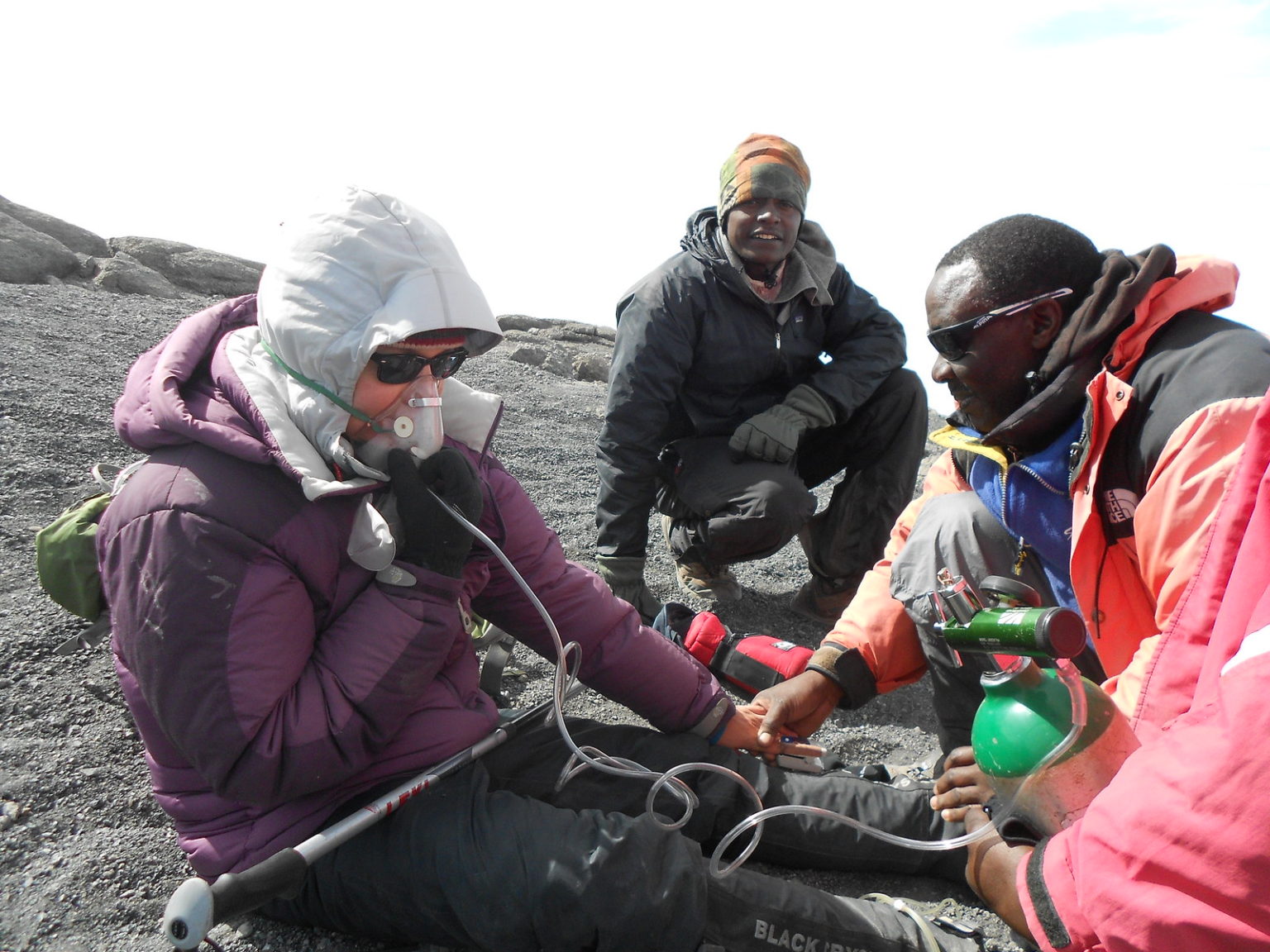
Altitude sickness is one of the most important safety concerns on Mount Kilimanjaro. As you climb higher, air pressure decreases and less oxygen is available with each breath. Your body needs time to adjust to these conditions, and the speed at which you ascend can influence your risk of developing altitude-related illness. Symptoms may begin even when you are otherwise healthy, and there is no simple way to predict with certainty who will be affected.
Acute mountain sickness, often called AMS, may cause a headache, nausea, dizziness, tiredness, loss of appetite, or vomiting. These symptoms can resemble exhaustion or a minor illness, which is why you should tell your guide promptly if you feel unwell. Do not assume that discomfort is simply something you must endure to prove your determination. Your guide can assess the situation and advise on the appropriate next steps.
More serious altitude illnesses include high-altitude cerebral edema, which affects the brain, and high-altitude pulmonary edema, which affects the lungs. Warning signs can include confusion, difficulty walking or maintaining balance, unusual drowsiness, shortness of breath at rest, chest tightness, or a worsening cough. These are medical emergencies that require urgent action, including descent and medical assistance. Never continue ascending when altitude sickness symptoms are worsening, and never conceal symptoms because you are worried about delaying the group or missing the summit.
The most important principle is simple: report symptoms early, do not ascend higher while unwell, and follow your guide’s instructions about treatment and descent. On a remote mountain, acting promptly can be critical.

Choose a Route That Allows Time for Acclimatisation
One of the most important decisions you will make is how many days to spend on the mountain. Kilimanjaro offers several established routes, and their itineraries vary in length, scenery, and ascent profile. Although shorter climbs may appear attractive because they require less time away from home, ascending too quickly can increase the risk of altitude-related illness. A longer itinerary often provides more time for your body to adjust and allows you to experience the mountain at a more manageable pace.
The Lemosho Route is popular for its scenic approach and itineraries that commonly last seven or eight days. The Machame Route usually takes six or seven days, while the Marangu Route is often offered over five or six days. The Rongai Route commonly takes six or seven days, and the Northern Circuit is a longer option, often taking eight or nine days. These are typical itinerary lengths, and the most appropriate schedule depends on the exact route, acclimatisation plan, and advice from your climbing operator.
When comparing options, look beyond the number of days and ask how the itinerary manages altitude gain, sleeping elevations, rest periods, and daily health checks. A suitable route should be selected for your overall wellbeing rather than simply to minimise the time required. Although no itinerary can eliminate altitude sickness, allowing adequate time for acclimatisation is one of the most important steps in preparing for Kilimanjaro.

Why You Should Walk Pole Pole
During your climb, you will often hear your guides use the Swahili expression pole pole, meaning “slowly, slowly.” This simple phrase captures one of the most important principles of trekking at high altitude. Kilimanjaro is not a race, and moving quickly does not necessarily improve your chances of reaching the summit. A steady, controlled pace helps you conserve energy, manage the demands of consecutive walking days, and avoid unnecessary exertion.
As you gain altitude, you may notice that ordinary movements require more effort than they did at the start of the climb. Walking slowly, taking planned breaks, eating regularly, and drinking fluids throughout the day can help you manage the physical demands of the expedition. Your guide will set a suitable pace for the group and may adjust the schedule according to weather, trail conditions, and how climbers are responding.
Do not feel pressured to keep up with someone who is walking faster than you, and do not treat a slower pace as a sign of weakness. Every climber responds differently to altitude, and listening to your body is part of responsible mountain travel. Patience can help you enjoy the changing landscapes while giving your guides a better opportunity to observe how the group is coping.

Prepare Your Body Before the Climb
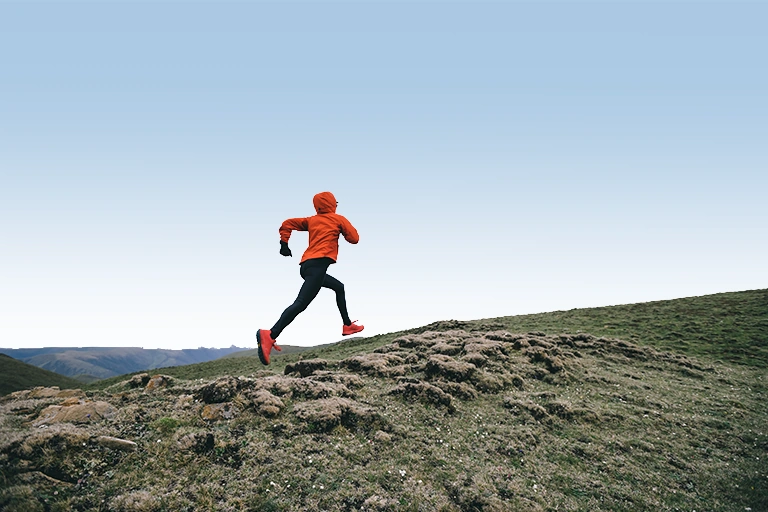
Physical preparation can make the trek more manageable and help you enjoy the experience. Kilimanjaro involves several consecutive days of walking over uneven terrain, often with long ascents and descents. You do not need to be an elite athlete to attempt the standard trekking routes, but you should build the endurance and strength needed to remain active for extended periods.
A useful preparation programme may include regular walking, hill hiking, stair climbing, aerobic exercise, and strength training for your legs and core. If possible, practise longer walks on varied terrain while wearing the boots and daypack you intend to use on the mountain. Increase your training gradually, giving yourself time to recover between demanding sessions. If you are new to hiking, begin early rather than trying to make up for months of preparation in the final weeks before departure.
It is equally important to understand that fitness cannot prevent altitude sickness. A highly trained runner may still struggle with altitude, while a less athletic person may adapt differently. Training helps prepare you for the physical work of trekking, but it does not replace acclimatisation or professional monitoring. If you have a pre-existing medical condition or concerns about your ability to tolerate high altitude, speak with a healthcare professional before booking your climb.

Pack the Right Clothing and Equipment
Weather on Kilimanjaro changes considerably as you move through its different ecological zones. You may begin in a warm, humid rainforest and finish in a cold, exposed summit environment where temperatures can fall well below freezing. Rain, wind, strong sunlight, and cold nights are all conditions you should prepare for, even when climbing during a generally dry season.
Layered clothing allows you to adapt as temperatures change. You will generally need moisture-wicking base layers, insulating mid-layers, a warm outer jacket, waterproof and wind-resistant protection, suitable trekking trousers, warm gloves, and a hat that covers your ears. Sturdy, broken-in hiking boots and appropriate socks can help you manage long days on uneven ground. For the summit attempt, warm clothing is particularly important because you will likely be walking in darkness during the coldest part of the day.
Other essential items include a comfortable daypack, headlamp with spare batteries, sunglasses with appropriate UV protection, high-SPF sunscreen, lip balm, refillable water bottles or a hydration system that works in cold conditions, and any personal medication you need. Your operator should provide a detailed packing list and explain which equipment is supplied, available for hire, or your responsibility to bring. Preparing properly reduces avoidable discomfort and helps you focus on the climb rather than dealing with preventable equipment problems.
Stay Hydrated and Maintain Your Energy
Climbing Kilimanjaro requires sustained effort, and regular hydration and nutrition are important throughout the expedition. The combination of walking, changing temperatures, dry air, and altitude can affect how you feel, so make a habit of drinking fluids regularly rather than waiting until you feel very thirsty. Follow your guides’ advice about fluid intake, and tell them if you are struggling to drink or keep food down.
Meals and snacks help provide energy for the day’s walking and support recovery. Your mountain team should explain the meals included in your expedition and how food is organised at camps. Eat regularly as tolerated, even if your appetite decreases at altitude, and let your guide know if nausea or other symptoms prevent you from eating or drinking. Persistent vomiting or an inability to maintain hydration should not be ignored.
Avoid relying on excessive caffeine, alcohol, or supplements as a way to improve your performance on the mountain. Alcohol is best avoided during the climb, and any medication intended to prevent or treat altitude sickness should be discussed with a qualified healthcare professional before departure. Your preparation should focus on reliable habits, suitable meals, and following the advice of your climbing team.

Listen to Your Guides and Mountain Crew
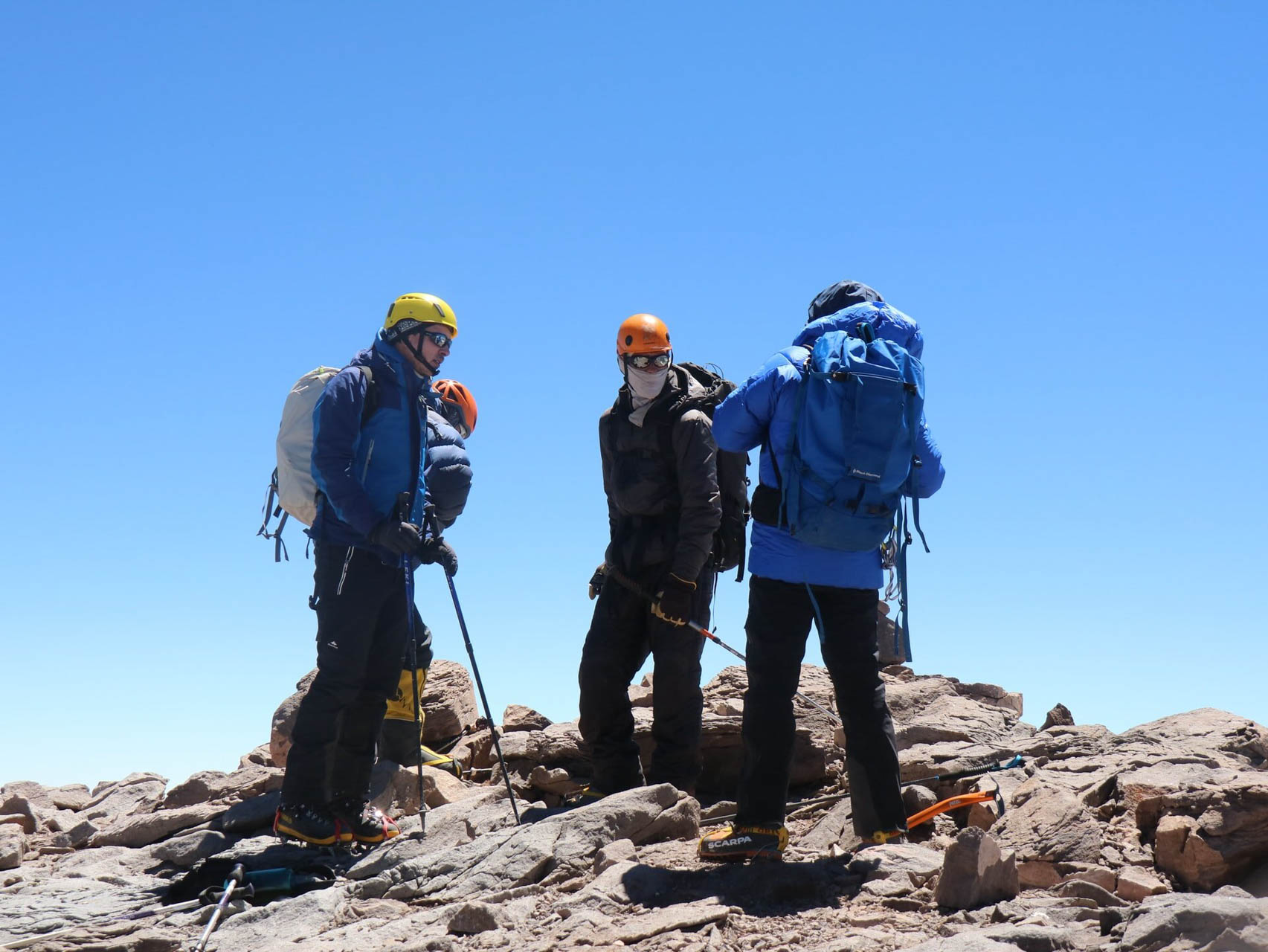
Your guides play a central role in keeping your Kilimanjaro expedition organised and helping you respond to changing conditions. Experienced guides understand the route, recognise common warning signs of altitude illness, and can assess when a climber needs rest, further evaluation, or descent. They also help coordinate the group, communicate important information, and manage the practical challenges of moving through a remote mountain environment.
Before your climb, ask your operator about guide qualifications, first-aid training, health-monitoring procedures, emergency communications, and the arrangements for evacuation if required. It is reasonable to understand how safety decisions are made and what support is available during the expedition. A responsible operator should be willing to explain these arrangements clearly.
During the climb, answer health questions honestly and report any new symptoms, even if they seem minor. Do not take medication from another climber or conceal a health concern because you fear being asked to descend. Follow instructions about staying on the established trail, keeping the group informed, and observing camp rules. Your guide’s responsibility is not simply to lead you towards the summit; it is also to help the team make sensible decisions when conditions change.

Be Prepared for Changing Weather
Kilimanjaro’s weather can change quickly, and conditions at the summit are very different from those at the base of the mountain. Rain may make forest trails slippery, while wind and cold can make exposed sections uncomfortable. At higher elevations, temperatures can drop sharply after sunset, and snow or ice may occur. Even during the main dry climbing seasons, you should never assume that every day will be clear or warm.
Check the seasonal conditions before travelling and pack for the range of weather you could encounter. Keep waterproof clothing accessible rather than buried at the bottom of your bag, and protect spare layers and essential equipment from getting wet. On the trail, follow your guide’s advice about pace, rest stops, clothing adjustments, and whether it is appropriate to continue in the prevailing conditions.
Weather may sometimes require changes to the schedule or a decision not to continue towards the summit. Although this can be disappointing after months of planning, the mountain must be approached with respect. The purpose of a successful expedition is to experience Kilimanjaro responsibly, not to reach the summit at any cost.

Protect Yourself from the Sun and Cold
Sun exposure becomes more intense at high altitude, and the mountain’s open terrain can leave you exposed for long periods. Use sunscreen, protect your lips, wear suitable sunglasses, and cover exposed skin when necessary. The sun can be strong even when the air feels cool, so do not rely on temperature alone to judge how much protection you need.
Cold exposure is another important consideration, particularly during early-morning starts and summit night. Wearing appropriate layers and keeping your hands, feet, and head warm can help you remain more comfortable. Avoid allowing clothing to become unnecessarily wet, and change into dry layers when appropriate. If you experience persistent shivering, unusual clumsiness, confusion, or other concerning symptoms, alert your guide immediately.
Your equipment should be suitable for the full range of conditions expected on the climb. A warm day at a lower camp does not mean that light clothing will be adequate near the summit. Preparing for the coldest part of the expedition is an essential part of safe planning.
Never Ignore Symptoms or Feel Pressured to Reach the Summit
For many climbers, Uhuru Peak represents the fulfilment of a lifelong dream. After investing time, money, and effort into the expedition, it is understandable to feel determined to reach the top. However, that determination should never prevent you from reporting symptoms or following a guide’s recommendation to stop ascending.
If you develop a headache, nausea, dizziness, unusual fatigue, or other symptoms that could indicate altitude sickness, tell your guide promptly. Do not ascend to a higher sleeping altitude while experiencing symptoms, and do not assume that continuing will make them disappear. Worsening symptoms require medical assessment and may require descent. Severe breathlessness at rest, confusion, loss of coordination, or a persistent cough with breathing difficulties are particularly concerning and require urgent action.
Turning around can be a difficult decision, but it is not a failure. Conditions on a high mountain can change, and responsible climbers recognise that personal safety matters more than completing a particular goal. Your guide should explain the options and act according to the situation. A meaningful Kilimanjaro experience is not defined solely by the summit photograph; it is also defined by the decisions you make along the way.

Understand Emergency and Rescue Procedures
Kilimanjaro is a remote mountain environment, so access to medical care is more limited than it would be in a town or city. If a climber becomes seriously unwell or injured, the group may need to stop, seek assistance, descend, or arrange an evacuation. The time and method required to reach medical care depend on the location, weather, nature of the emergency, and available rescue arrangements.
Before departure, ask your operator how emergencies are handled, what communication equipment is available, whether guides carry appropriate first-aid supplies, and how mountain rescue or evacuation is coordinated. Check that your travel insurance covers high-altitude trekking on Kilimanjaro and any necessary emergency evacuation. Read the policy carefully because exclusions, altitude limits, and requirements for approved guides can vary.
You should also provide your operator with accurate information about relevant medical conditions, allergies, and medication. Carry essential personal medication in your daypack and keep it accessible throughout the climb. Clear communication before and during the expedition helps your team prepare appropriately and respond more effectively if a problem develops.

Respect the Mountain and Protect Its Environment
Safety on Kilimanjaro also includes respecting the mountain environment and following park regulations. Stay on designated routes, follow your guide’s instructions, and avoid wandering away from the group. The mountain’s changing terrain, weather, and visibility can make it easy to become disoriented if you leave the established trail.
Keep the environment clean by carrying your rubbish back to the appropriate collection points, using designated facilities, and avoiding damage to plants or wildlife habitats. Follow camp rules and use equipment as instructed. These simple practices protect the mountain for future climbers while supporting an orderly and responsible expedition.
Kilimanjaro is more than a summit to conquer. Its forests, moorlands, alpine deserts, and high-altitude landscapes form a remarkable natural environment. Respecting the mountain means recognising both its beauty and its risks, following the rules that protect it, and making decisions that prioritise the wellbeing of people and the environment.
Frequently Asked Questions About Kilimanjaro Safety
Can beginners climb Mount Kilimanjaro safely?
Many first-time trekkers climb Kilimanjaro successfully with proper preparation, an appropriate route, sufficient acclimatisation time, and experienced guides. However, the mountain is physically demanding and altitude sickness can affect people regardless of fitness or previous hiking experience. Beginners should discuss their experience and expectations with their operator and choose an itinerary that allows a sensible ascent.
Is altitude sickness common on Kilimanjaro?
Altitude-related symptoms are a recognised concern on Kilimanjaro, particularly on itineraries that ascend rapidly. The likelihood and severity vary between individuals and depend on factors including ascent rate and acclimatisation. No one can guarantee that you will avoid altitude sickness, so it is important to recognise symptoms, report them promptly, and follow professional guidance.
Does being physically fit prevent altitude sickness?
No. Physical fitness can help you cope with the walking demands of the climb, but it does not guarantee that your body will adapt well to high altitude. Acclimatisation, a suitable itinerary, and careful monitoring remain essential even for highly trained athletes.
Is it safe to climb Kilimanjaro alone?
Climbing Kilimanjaro is subject to national park rules and must be arranged through an authorised guiding operation; independent solo trekking is not permitted under the park’s visitor requirements. Even when travelling alone as a customer, you should climb with a qualified team and follow its safety procedures.
What happens if I cannot continue to the summit?
If you become unwell, injured, or unable to continue safely, your guide will assess the situation and help arrange the appropriate response, which may involve stopping, descending, or seeking medical assistance. Reaching the summit is never guaranteed, and the correct decision depends on your condition and the circumstances at the time.
Should I take medicine to prevent altitude sickness?
Some travellers may be advised by a healthcare professional to use medication such as acetazolamide to help prevent altitude sickness. Whether it is appropriate depends on your medical history, planned ascent, and other individual factors. Discuss this with a qualified healthcare professional before the climb, and never rely on medication as a substitute for gradual acclimatisation or prompt reporting of symptoms.

Climb with Confidence with Back to Eden Adventure
Mount Kilimanjaro offers a journey unlike any other, taking you through changing landscapes towards the highest point in Africa. The experience demands effort, patience, and respect, but thoughtful preparation can help you approach it with greater confidence. From choosing an appropriate route and allowing time for acclimatisation to packing for extreme conditions and understanding the signs of altitude sickness, every safety decision contributes to the quality of your expedition.
At Back to Eden Adventure, we believe that responsible mountain travel begins with clear information, careful planning, and experienced support. We help travellers understand their route options, prepare for the demands of the climb, and plan an itinerary that gives proper attention to acclimatisation and safety. Whether you are pursuing a lifelong dream or preparing for your first high-altitude trek, we want you to experience Kilimanjaro with realistic expectations and the support needed to make informed decisions throughout the journey.
Your summit attempt may test your determination, and there may be moments when progress feels slow. Remember that every step should be taken with care, every symptom deserves attention, and every safety decision matters. The true achievement is not simply standing at Uhuru Peak, but completing your journey with respect for the mountain and for yourself.
Ready to plan your Kilimanjaro adventure? Contact Back to Eden Adventure to discuss your route, preparation, and climbing itinerary for a responsible journey to the Roof of Africa.