
An African safari is an experience that stays with you long after the journey ends, from the first golden rays of sunlight spreading across the Serengeti to the unforgettable sight of elephants wandering beneath the ancient baobab trees of Tarangire. Yet, when planning a safari in Tanzania, one question often comes before everything else: when is the best time to visit?
The answer depends on what you hope to experience. Perhaps you dream of witnessing thousands of wildebeest crossing the Mara River, watching newborn animals take their first steps across the southern Serengeti plains, or exploring Tanzania’s remarkable national parks when the landscapes are green, the skies are dramatic, and the wilderness feels wonderfully peaceful.
Each season brings its own character, wildlife encounters, and opportunities for discovery, which means there is no single month that is perfect for every traveller. Understanding Tanzania’s seasonal rhythms allows you to choose a journey that reflects your interests, travel preferences, and expectations. At Back to Eden Adventure, we believe the most rewarding safari begins with knowing what matters most to you and planning your journey around the experiences that will make your time in Africa truly unforgettable.

June to October: The Best Season for Classic Wildlife Safaris
For travellers seeking excellent wildlife viewing across Tanzania’s northern safari circuit, the dry season from June to October is generally one of the most rewarding times to visit. During these months, rainfall is usually limited, vegetation becomes thinner in many areas, and animals often gather around permanent rivers and water sources, making wildlife easier to locate. The landscapes take on beautiful golden tones, creating the classic African safari scenery that many travellers imagine when dreaming of Tanzania.
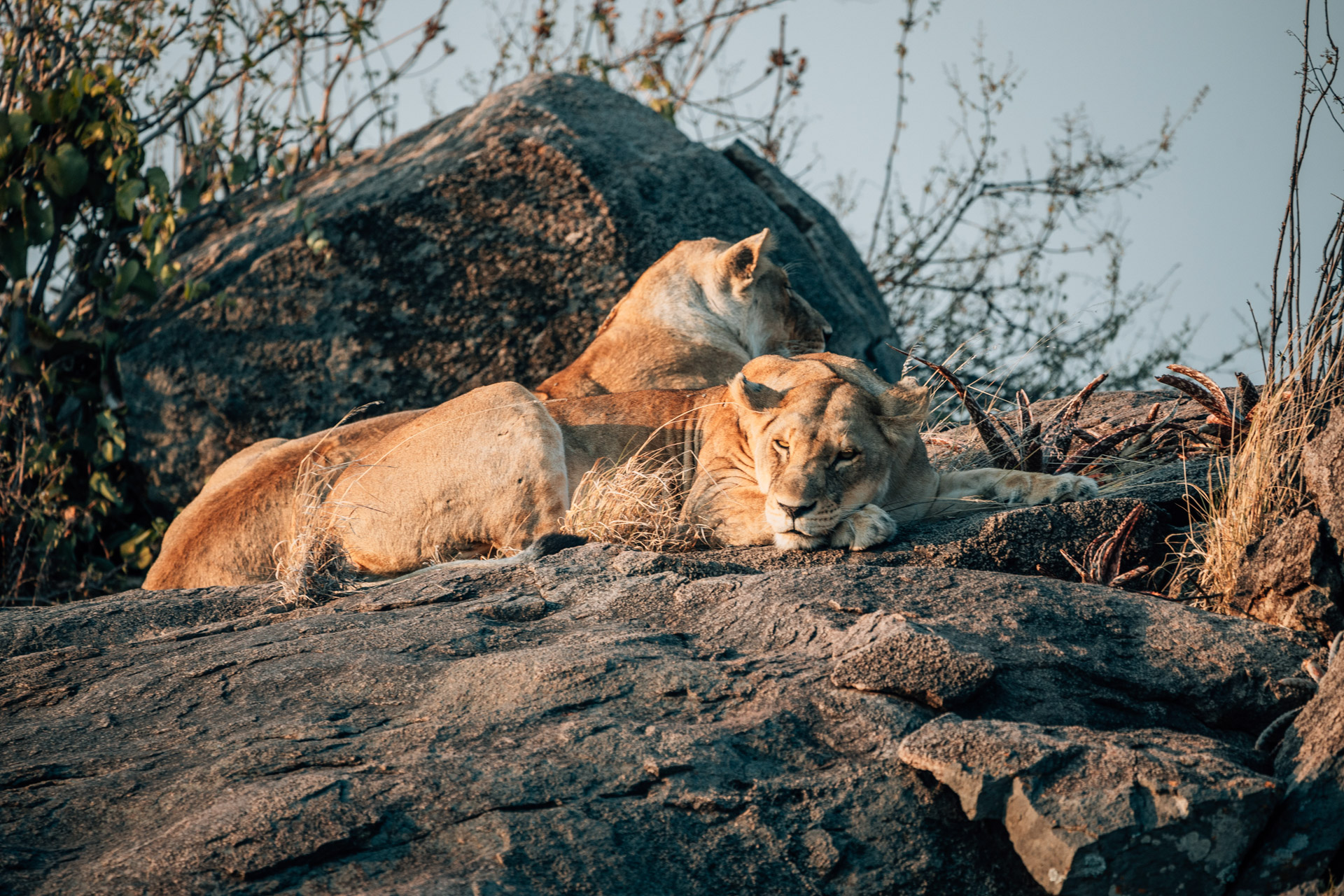
Early mornings can be chilly, especially around the Ngorongoro highlands, but the days are often pleasantly warm and ideal for exploring the wilderness on game drives. This season is particularly attractive for visiting Serengeti National Park, Tarangire National Park, and the Ngorongoro Conservation Area, where remarkable wildlife encounters can include lions resting in the grass, elephants moving across the plains, giraffes browsing among acacia trees, and large herds of buffalo gathering in open clearings.
It is also a popular period for safari travel, so accommodation in sought-after locations can book up well in advance. If your dream is to experience Tanzania’s wildlife in favourable viewing conditions, enjoy beautiful landscapes, and spend your days exploring some of Africa’s most celebrated national parks, the dry season is an excellent place to begin planning your adventure.
July to October: Witness the Great Migration and Mara River Crossings
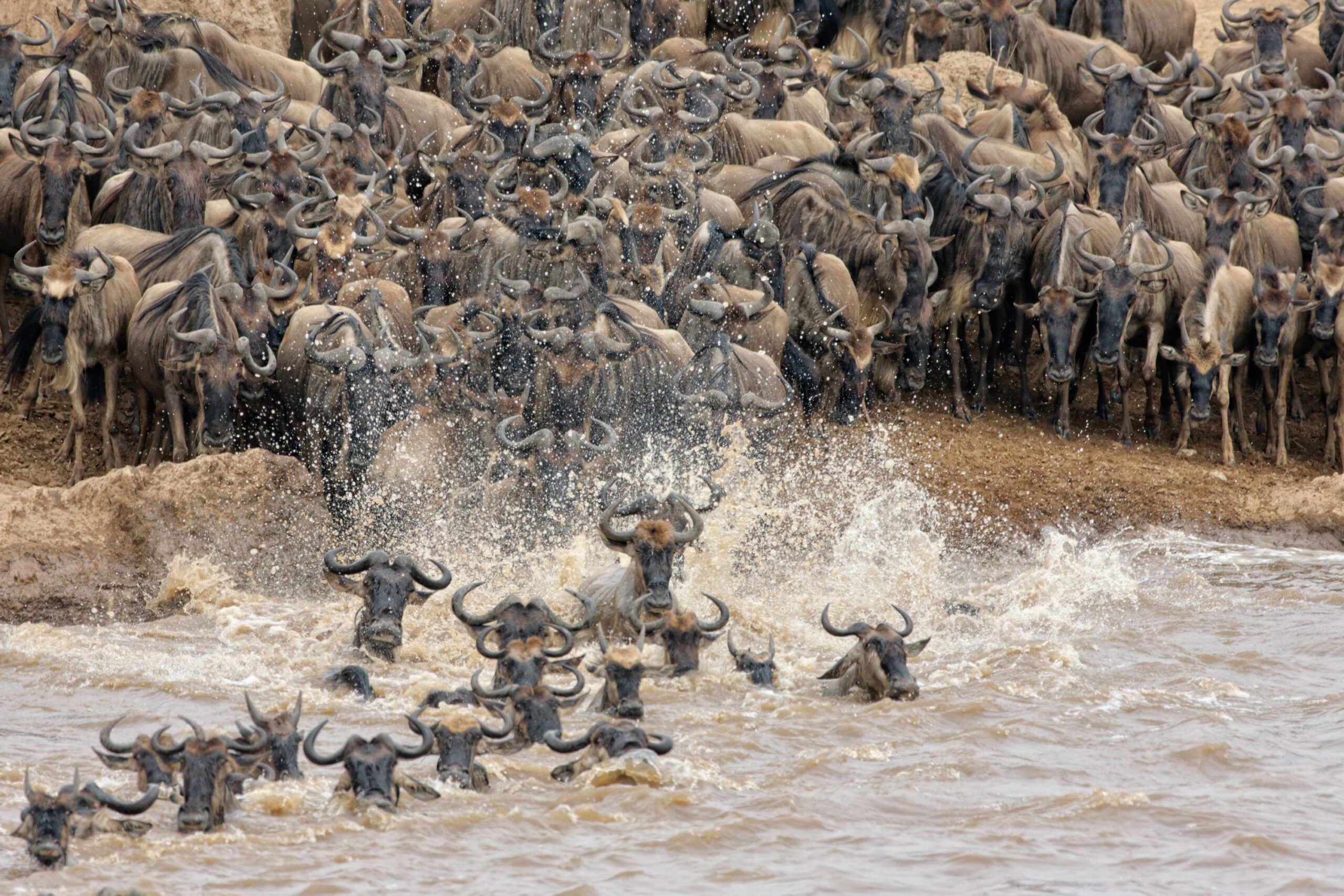
For many travellers, the opportunity to witness the Great Migration is the ultimate reason to visit Tanzania, and the period from around July to October is especially popular for exploring the northern Serengeti and searching for the famous Mara River crossings. During this remarkable natural movement, vast herds of wildebeest, accompanied by zebras and other grazing animals, travel through the Serengeti ecosystem in search of fresh grass and water.
Along the Mara River, the herds may gather on the banks for hours before one animal takes the first step into the current, triggering a spectacular movement of animals plunging into the water and scrambling towards the opposite shore. Crocodiles, strong currents, and steep riverbanks make these crossings unpredictable and challenging, creating one of the most dramatic wildlife spectacles in Africa. However, the migration does not follow a fixed calendar, and the exact timing and location of the herds change according to rainfall and grazing conditions.
A river crossing can never be guaranteed, even during the peak season, which is why spending several days in the northern Serengeti can improve your opportunities to encounter the herds. If witnessing this extraordinary event is a priority, Back to Eden Adventure can help you plan a safari around the northern Serengeti during the most suitable seasonal window, combining the search for migration activity with other memorable wildlife encounters across Tanzania’s remarkable wilderness.

January to March: The Magic of the Wildebeest Calving Season
If you are fascinated by new life, dramatic wildlife interactions, and the delicate balance of nature, January to March can be an exceptional time to experience Tanzania’s southern Serengeti and the Ndutu plains. During the main calving period, large numbers of wildebeest give birth across the short-grass plains, creating a remarkable concentration of newborn animals and attracting predators such as lions, cheetahs, and hyenas. The landscape can be beautifully green following seasonal rainfall, with expansive grasslands, soft morning light, and dramatic skies providing wonderful opportunities for wildlife photography.
Watching a newborn wildebeest take its first steps, observing a mother protect her calf, or seeing predators move quietly through the grass offers a different kind of safari experience from the famous river crossings of the northern Serengeti. The atmosphere is often filled with the sounds and movement of wildlife, while the open plains allow travellers to appreciate the extraordinary scale of the migration.
Although January to March can bring occasional showers and conditions vary from year to year, this period is especially rewarding for photographers, nature enthusiasts, and travellers who want to witness one of the most important stages in the lives of migrating animals. For those who prefer to discover the Great Migration through the beginning of life rather than the drama of a river crossing, a carefully planned safari during the calving season can be an unforgettable choice.

November to December: Discover Tanzania’s Green Season
As the short rains arrive across much of northern Tanzania, the landscape begins to change, with fresh grass, greener plains, and an atmosphere that feels different from the golden colours of the dry season. November and December can be wonderful months for travellers who appreciate beautiful scenery, birdwatching, and a safari experience that is not centred entirely on peak-season wildlife viewing. Migratory birds arrive in the region, resident species become especially interesting to observe, and the changing vegetation creates excellent opportunities for landscape photography.
The herds of the Great Migration generally move towards the southern Serengeti and surrounding plains as the seasonal grazing conditions change, although their exact movements depend on rainfall. In many areas, showers are intermittent rather than continuous, leaving plenty of opportunities for game drives between periods of rain. Travelling during this season can also offer a different atmosphere, with fewer visitors at certain times and a renewed sense of freshness across the wilderness.
December is particularly popular around the festive holidays, so travellers planning Christmas or New Year safaris should still arrange their accommodation early. If you are looking for a combination of wildlife, beautiful scenery, birdwatching, and the excitement of exploring Tanzania as the landscape comes alive, the green season deserves serious consideration.
April to May: A Quieter Safari Among Lush Landscapes
April and May are generally associated with the long rains across much of northern Tanzania, making this period less predictable for traditional safari travel. Showers can be heavier and more persistent, some roads may become muddy, and certain camps or lodges may close temporarily depending on their location and operating conditions. However, this season also reveals a beautiful side of Tanzania that many travellers never experience.
The plains become lush and vibrant, the air can feel fresh after rainfall, and dramatic clouds create striking scenery across the national parks. For photographers, the changing light and rich colours can be especially rewarding, while travellers who value quieter surroundings may appreciate the reduced visitor numbers in some destinations. Accommodation prices and availability can also be more favourable, although offers vary by property and not every camp remains open. Wildlife does not simply disappear when the rains arrive, and experienced guides can still provide rewarding encounters, but flexibility becomes particularly important.
If you choose to travel during this period, it is wise to work with an operator who understands local conditions and can advise on accessible areas, suitable accommodation, and alternative arrangements if the weather affects your plans. For travellers who do not mind occasional rain and want to experience Tanzania’s landscapes in their greenest form, the long-rains season can offer a distinctive and rewarding safari.

The Best Time to Visit Tanzania’s Most Famous National Parks
Although the seasons provide a helpful starting point, each national park has its own character, and the best time to visit may depend on where you plan to travel. Serengeti National Park offers remarkable wildlife viewing throughout the year, with the migration moving through different areas according to seasonal rainfall. The southern plains are particularly important during the calving season, while the northern Serengeti is a popular destination for travellers hoping to witness Mara River crossings later in the year.
Tarangire National Park is especially renowned during the dry season, when elephants and other animals gather around the Tarangire River and remaining water sources, while its impressive baobab trees create a distinctive backdrop for game drives. The Ngorongoro Crater is a rewarding destination in many seasons because its diverse habitats support a rich concentration of resident wildlife, offering opportunities to encounter elephants, buffalo, lions, zebras, and other species within a spectacular volcanic landscape.
Lake Manyara National Park brings a different atmosphere, with woodland, groundwater forest, open areas, and a lake that attracts a variety of birdlife; visitors may also have the opportunity to search for its famous tree-climbing lions. By combining destinations thoughtfully, travellers can enjoy a varied safari rather than relying on one particular sighting or seasonal event. At Back to Eden Adventure, we can help you choose parks and travel dates that complement one another, creating a journey that balances wildlife encounters, scenic beauty, and the style of adventure you want to experience.
So, When Should You Book Your Tanzania Safari?
The best time to book your Tanzania safari ultimately comes down to the experience you want to take home with you. If your priority is classic wildlife viewing and the possibility of witnessing the Mara River crossings, consider travelling between July and October, with additional time in the northern Serengeti to account for the unpredictability of the migration. If you dream of watching newborn wildebeest and observing the predators that follow the herds, January to March is an excellent period to explore the southern Serengeti and Ndutu plains.
For travellers who love lush landscapes, birdwatching, and a greener wilderness, November and December can be particularly appealing, while April and May may suit those seeking quieter surroundings and potentially lower accommodation rates, provided they are comfortable with wetter conditions. Your ideal travel dates should also reflect your budget, preferred lodges, the length of your journey, and whether you wish to combine your safari with other experiences such as climbing Mount Kilimanjaro or relaxing on the beaches of Zanzibar.
Because weather patterns and wildlife movements change from year to year, it is always wise to plan with flexibility and seek advice based on your intended travel dates. Rather than asking only which month is best, consider which experience matters most to you, and let that answer guide the journey.

Experience Tanzania at Its Best with Back to Eden Adventure
Tanzania is a destination that rewards travellers in every season, offering extraordinary wildlife, dramatic landscapes, and moments of natural beauty that remain vivid long after the journey has ended. One morning may bring the sight of elephants moving through the golden plains of Tarangire, while another may find you watching lions in the Serengeti or standing above the Ngorongoro Crater as the landscape stretches towards the horizon. During the Great Migration, you may follow the movement of enormous herds across the grasslands, while a visit during the calving season can reveal the remarkable beginnings of new life in the wilderness.
At Back to Eden Adventure, we understand that every traveller has a different vision of the perfect safari, which is why thoughtful timing and careful itinerary planning are essential to creating a meaningful experience. Whether you are planning a private wildlife safari, a journey through Tanzania’s most iconic national parks, or a wider African adventure that combines wildlife with mountains and beaches, we can help you select a suitable season and shape a journey around your interests. Let the time of year become part of your story, not a limitation on your adventure, and discover the landscapes, wildlife, and unforgettable moments that make Tanzania such a remarkable place to explore.
Your dream safari has its own perfect season. Let Back to Eden Adventure help you discover yours.