
There are moments in Africa when the wilderness becomes so powerful that words seem incapable of capturing what unfolds before your eyes. Along the banks of the Mara River in Tanzania’s northern Serengeti, thousands of wildebeest gather at the water’s edge, filling the golden landscape with movement, anticipation, and an extraordinary sense of uncertainty. The river flows quietly beneath the African sun, concealing its dangers while the animals hesitate, approach the bank, and retreat as though waiting for a signal that only nature understands. You sit quietly in your safari vehicle, watching the herd stretch across the plains, aware that something remarkable could happen at any moment, yet equally aware that nothing is guaranteed. Then, almost without warning, the silence breaks. The first wildebeest plunge into the water, others follow, and within seconds, the river becomes a spectacular scene of splashing water, rushing bodies, and thousands of animals driven forward by instinct. It is a moment of extraordinary intensity, one that reminds you that a safari is not simply about seeing wildlife but about experiencing nature in its most authentic, unpredictable, and unforgettable form.
When the Wilderness Holds Its Breath
Before the crossing begins, there is a particular kind of anticipation that makes the experience unlike almost anything else in the natural world. The northern Serengeti stretches towards the horizon in a magnificent combination of open grasslands, rocky outcrops, scattered trees, and winding riverbanks, creating a landscape that feels wonderfully untouched. Across the plains, wildebeest and zebras move together in enormous numbers, following the ancient migration routes that connect Tanzania’s Serengeti ecosystem with Kenya’s Maasai Mara. As the herds approach the river, the atmosphere changes. Animals gather along the banks, some standing almost motionless while others move restlessly through the crowd, their attention fixed on the water ahead.
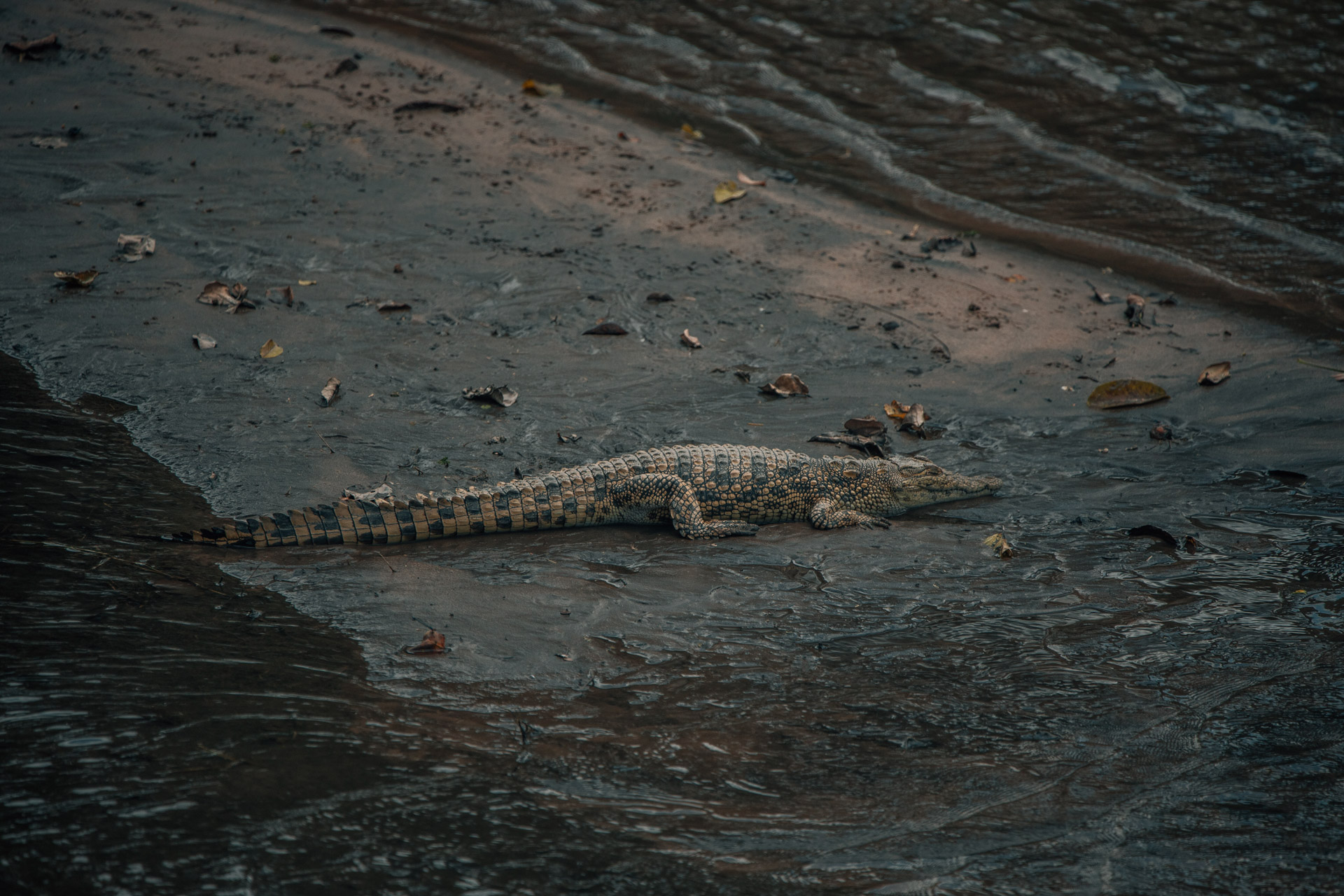
A crocodile may appear briefly on the surface before disappearing beneath the current, adding another layer of uncertainty to the scene. Your guide watches the herd carefully, interpreting its movements while explaining the behaviour of the animals and the conditions that may influence their decisions. Minutes can become hours, and the crossing may happen when you least expect it or not happen at all during your visit. Yet the waiting never feels entirely empty, because every passing moment brings another opportunity to observe the delicate balance between instinct, survival, and the powerful forces that shape life in the African wilderness.

The Moment the River Comes Alive
When the wildebeest finally commit to the crossing, the transformation is breathtaking. A handful of animals descend towards the water, and suddenly the hesitation that held the herd in place gives way to a surge of movement. Thousands of wildebeest push forward, leaping from the banks and plunging into the river, while zebras navigate the same challenging passage in search of a route to the opposite shore. Water rises around their bodies as they struggle against the current, their hooves searching for firm ground beneath the surface.
From your vantage point, the scene unfolds with an intensity that is difficult to describe: the thunder of movement, the splashing water, the dust rising above the riverbanks, and the immense scale of a migration that has continued through countless generations. You may find yourself holding your breath without realising it, following individual animals as they fight their way through the water while trying to take in the thousands moving around them. For a brief moment, the outside world seems to disappear. There are no emails to answer, no schedules to follow, and no distractions demanding your attention. There is only the river, the animals, and the extraordinary privilege of witnessing one of Africa’s most remarkable natural spectacles as it unfolds entirely on nature’s terms.
The Beauty, the Danger, and the Meaning of Survival
Part of what makes a Mara River crossing so emotionally powerful is the understanding that this is not a performance created for visitors. It is a genuine struggle for survival, shaped by the animals’ instinct to follow fresh grazing and water across the wider Serengeti ecosystem. Beneath the surface, Nile crocodiles may wait for an opportunity, while strong currents, steep banks, and the sheer pressure of thousands of animals moving together create additional challenges. Not every wildebeest reaches the opposite bank safely, and witnessing these realities can be confronting. Yet the migration reveals something profound about the natural world: beauty and danger often exist side by side, and survival depends on a remarkable combination of instinct, endurance, and chance.
As the animals climb onto the opposite bank, exhausted but continuing their journey, you begin to appreciate the extraordinary resilience that sustains the migration. The scene becomes more than a dramatic wildlife encounter; it becomes a reminder of nature’s independence, its unpredictability, and its refusal to follow the expectations we bring into the wilderness. At Back to Eden Adventure, we believe these are the moments that make a safari meaningful, because they invite you to look beyond the photographs and understand the living ecosystem that makes Tanzania such an exceptional destination.

An Experience That Stays With You Long After the Safari
Although photographs can preserve the sight of thousands of wildebeest crossing the river, they can never fully recreate the feeling of being there. They cannot capture the vibration of the ground as the herd approaches, the sudden roar of movement when the animals enter the water, or the shared silence among travellers who realise they are witnessing something extraordinary. You may remember the golden light falling across the river, the determination of a single wildebeest climbing the muddy bank, or the moment an entire section of the herd surged forward after a long period of hesitation.
Even the quieter moments become part of the memory: the drive through the northern Serengeti at sunrise, the appearance of elephants moving between distant trees, or the peaceful return to camp after hours spent watching the wilderness. What makes the experience truly special is that no two crossings are identical. The location, the number of animals, the movement of the herd, and the conditions of the river all change, making every encounter unique. You arrive hoping to witness a famous wildlife event, but you may leave with something much more personal: a deeper appreciation for the natural world and a memory that brings you back to the heart of Africa whenever you think of it.
Planning Your Mara River Crossing Safari
The Mara River crossings are most closely associated with the Great Migration’s presence in the northern Serengeti, particularly from around July to October, although the timing and location of the herds vary with seasonal rainfall and grazing conditions. August and September are popular months for travellers hoping to witness a crossing, but there is no guaranteed date or hour when the animals will enter the water. For this reason, spending several days in the northern Serengeti can provide more opportunities to explore different river areas and follow the herds as their movements change. Choosing accommodation in a suitable location and travelling with an experienced safari guide can also make a meaningful difference to how you experience the region.
A well-planned journey leaves room for patience, flexibility, and the unexpected discoveries that make wildlife travel so rewarding. Even when a crossing does not occur during your stay, the northern Serengeti offers extraordinary opportunities to observe migrating herds, predators, elephants, giraffes, and the diverse landscapes that support one of the world’s most celebrated wildlife migrations. The most rewarding approach is to arrive with excitement but without rigid expectations, understanding that the true value of a safari lies not only in a particular sighting but in the entire experience of being immersed in the wilderness.
Discover the Great Migration with Back to Eden Adventure
At Back to Eden Adventure, we believe that an exceptional African safari should create a connection with a place, not simply take you through it. Our approach is built around meaningful wildlife encounters, carefully considered journeys, and the opportunity to experience Tanzania’s extraordinary landscapes at a pace that allows their beauty to reveal itself. A safari into the northern Serengeti during the Great Migration offers the possibility of witnessing the Mara River crossing while discovering the remarkable wildlife and changing scenery that make this region so special. With a thoughtfully planned itinerary and experienced local guides, you can spend your days exploring the plains, observing animal behaviour, and following the movement of the herds while allowing nature to determine the moments that become the highlights of your journey.
Whether you are planning your first safari in Africa or returning to discover a different side of Tanzania, we can help create a journey shaped around your interests, preferred accommodation, and vision of an unforgettable wilderness experience. The river may remain quiet for hours, the herds may change direction, and the crossing may arrive when you least expect it, but that uncertainty is part of the magic. And when the moment finally comes, with thousands of wildebeest surging through the water beneath the vast African sky, you will understand why witnessing the Great Migration is an experience that stays with you long after the journey ends.
Experience the wild with Back to Eden Adventure, where every journey brings you closer to the extraordinary beauty of Africa.